As more households move towards smart living, the demand for a home integration system is rising as people look for solutions that simplify how they manage technology at home. With the right setup, everything works together seamlessly, reducing effort while improving comfort.
This article will guide you through the essentials of home integration, its benefits, and what to expect from professional installation services.
Simplify your life with a home integration system! Reach out to AT Smart Home Singapore for any enquiries.
What Is A Home Integration System?
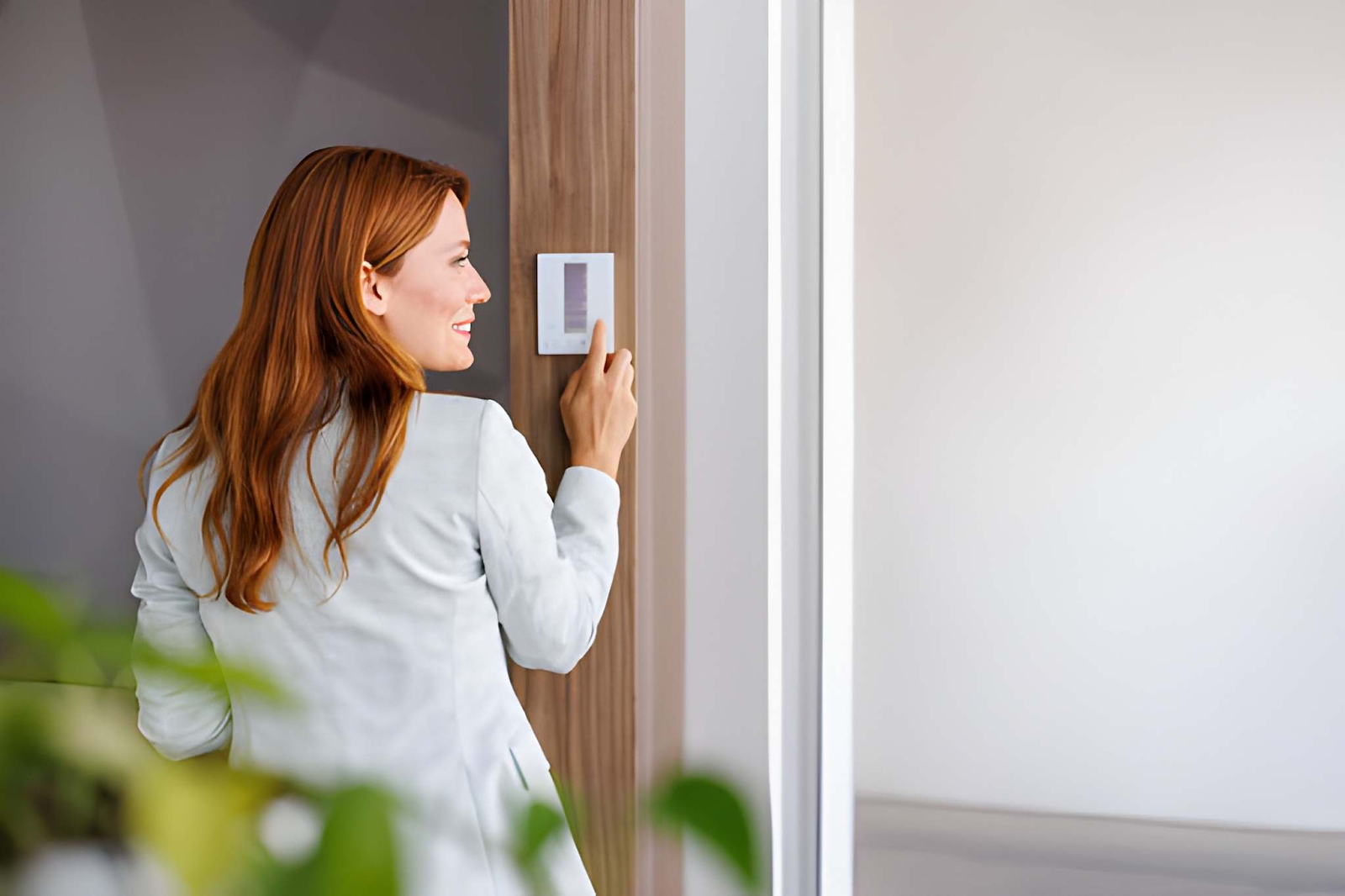
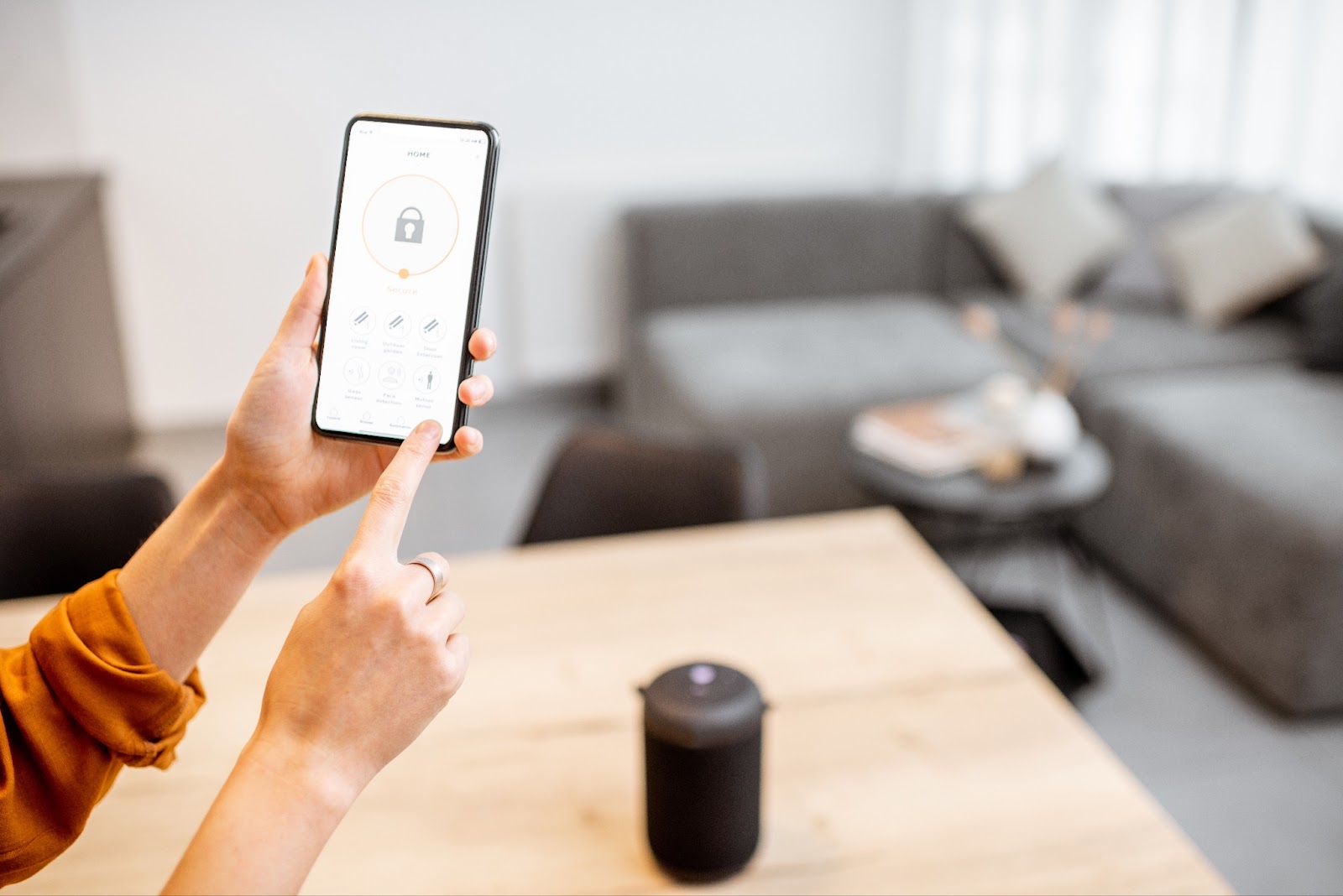
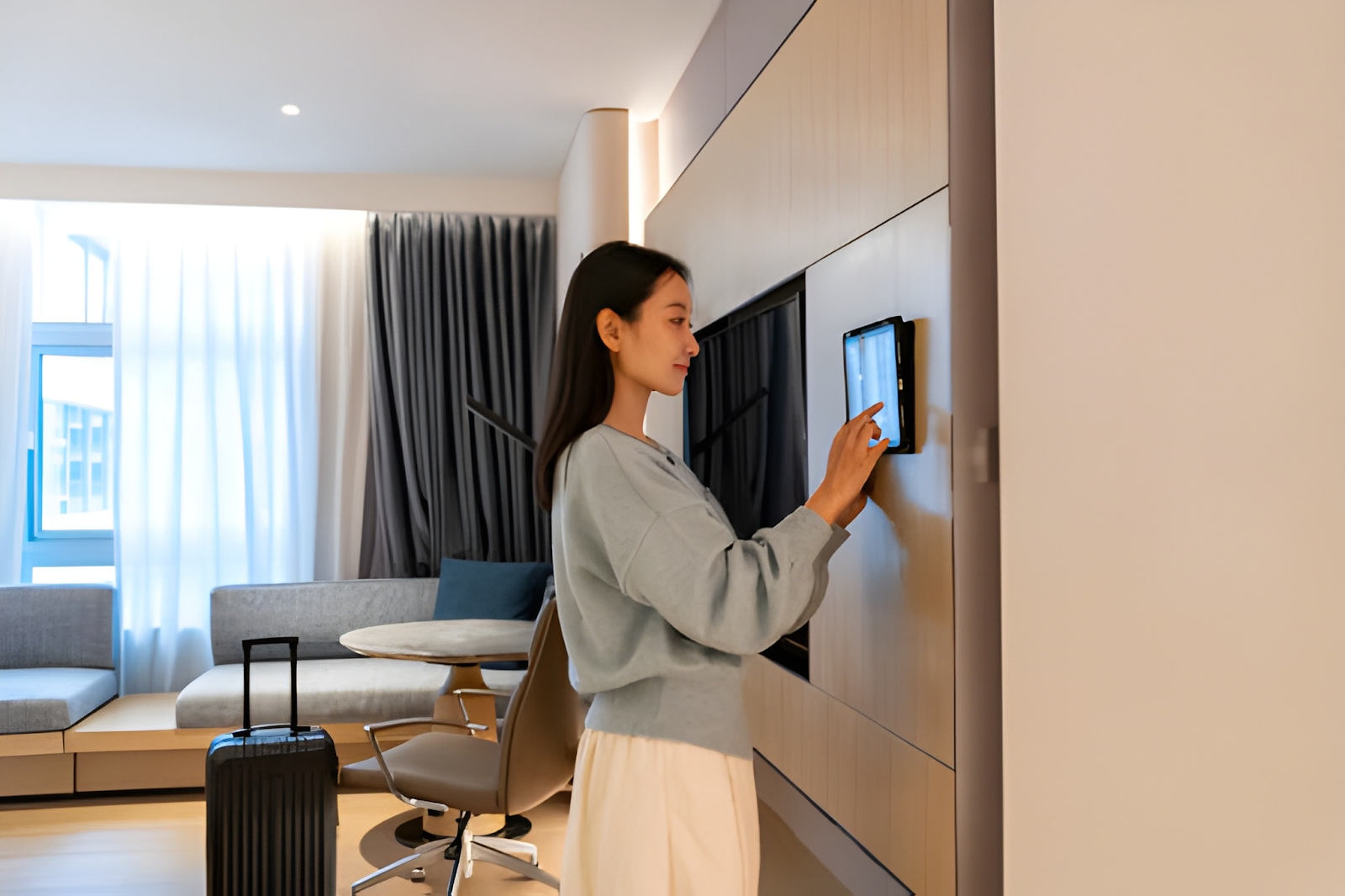
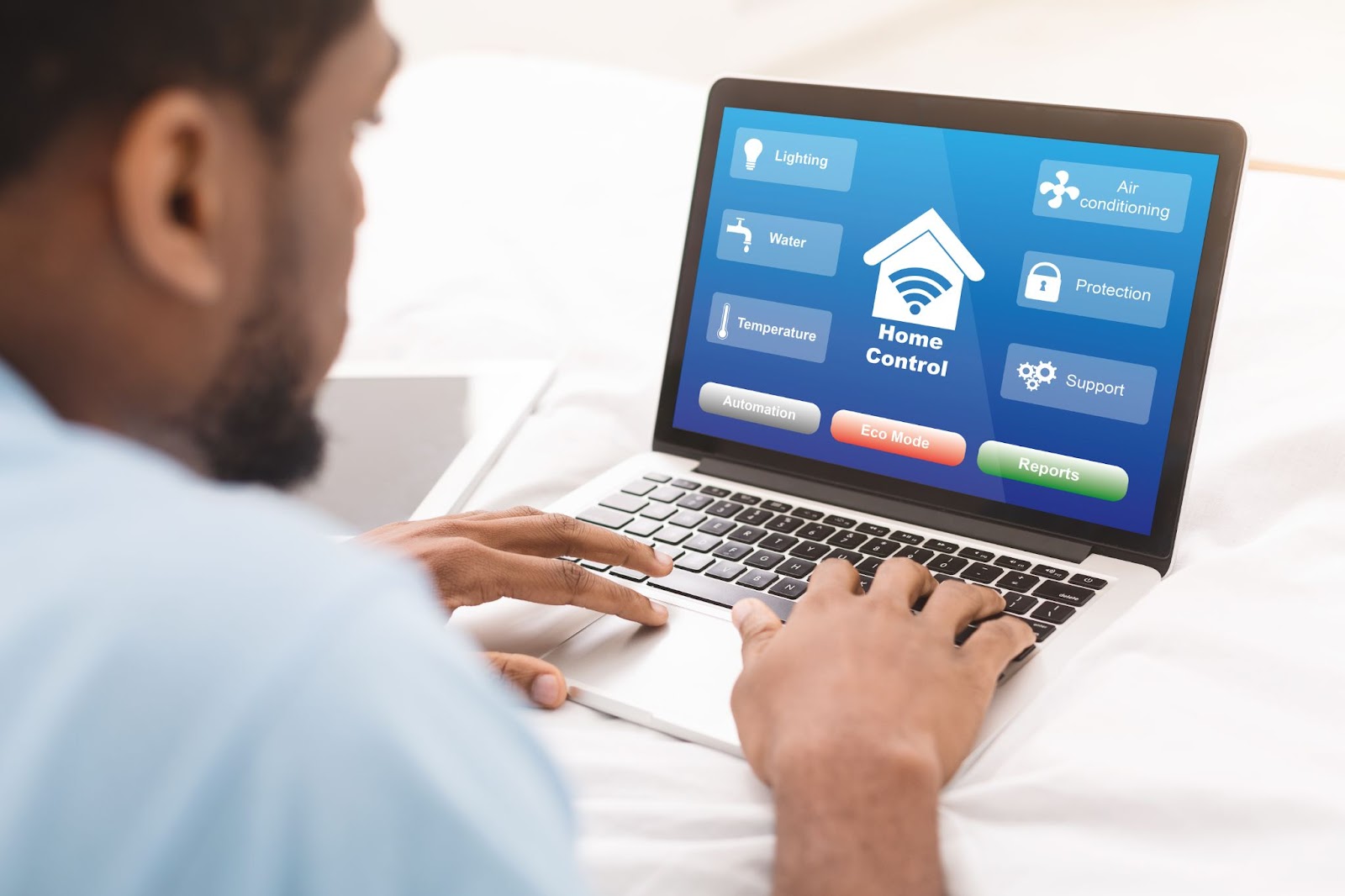
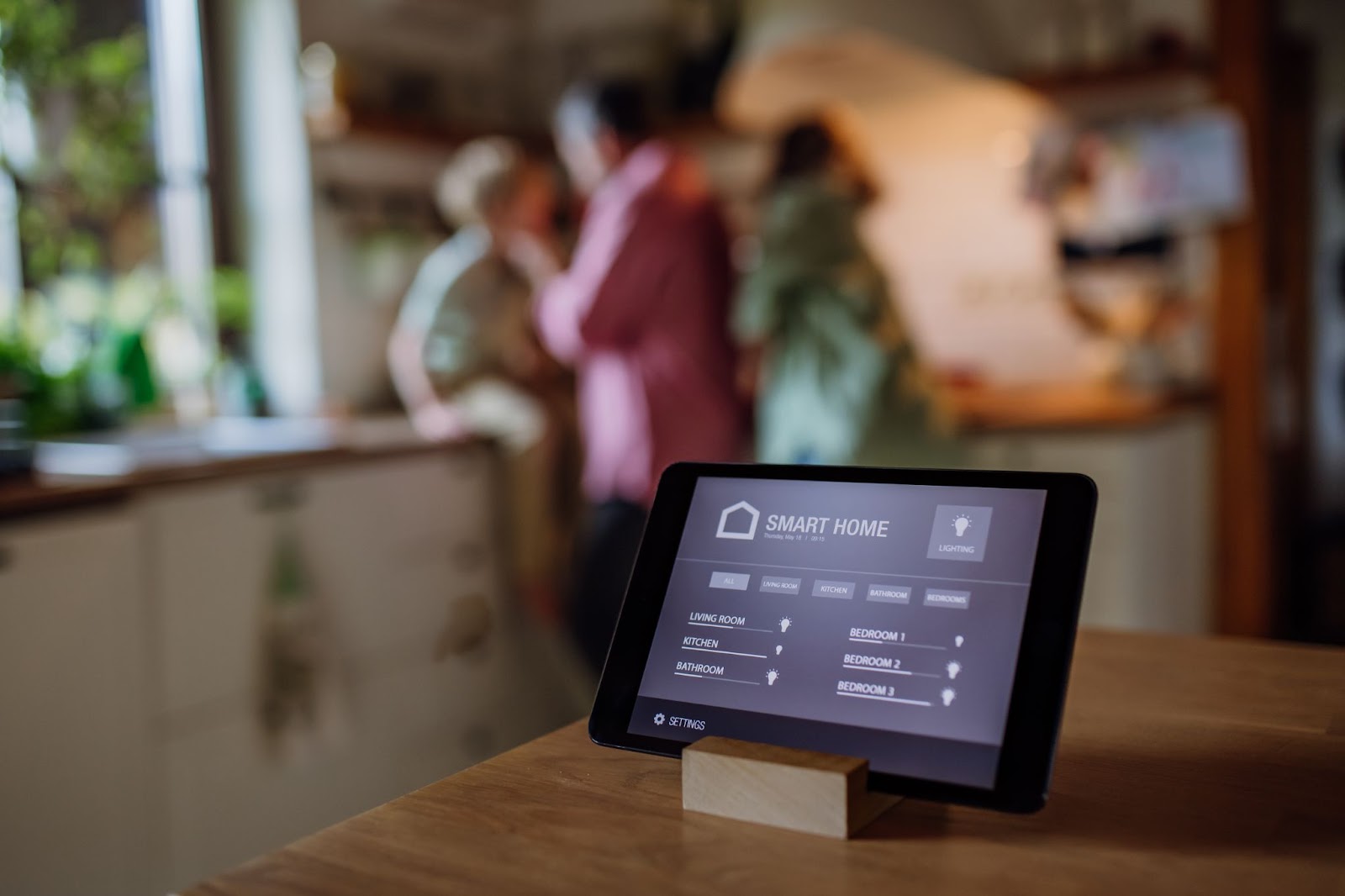
A home integration system is a smart home ecosystem that brings separate devices together under one control platform.
It links technologies such as:
- Lighting and blinds
- Heating, ventilation, and air conditioning (HVAC)
- Security systems like locks, cameras, and alarms
- Entertainment devices, including TVs and speakers
- Kitchen and household appliances
You may already own standalone smart devices, such as a Wi-Fi speaker or a smart thermostat. But a full integration connects them all, so they work in sync rather than as separate pieces.
What to Expect from Professional Installation Services
Knowing what a home integration system is often raises a practical question: how does it actually get set up in a home? This is where professional installation makes the difference. A system only works well when every part is connected correctly, and installers ensure that happens from the very beginning.
The process usually starts with a site assessment. The installer reviews your home’s layout, wiring, and network strength to identify what is already compatible and what may need adjusting. With that information, they can design a setup that avoids weak spots and keeps every device connected.
From there, the focus shifts to customisation. Since no two households are alike, the installer tailors the system to your daily routines. Some homeowners want stronger security, while others care more about heating control or entertainment. The system is built to match those needs.
Once the plan is clear, installation begins. Devices are mounted, wiring is completed, and the hub is connected to link everything together. At this stage, networking is fine-tuned so that lights, locks, and sensors communicate without interruption.
Testing comes next. Every part of the system is checked, from cameras to thermostats, to confirm they respond as one. Any glitches are corrected before handover.
The final step is training and support. Installers walk you through the controls so you know how to manage the system yourself. Many also offer ongoing aftercare, which means help is available if you expand or update your setup later.

Why Choose Professional Installation over DIY
Setting up one or two smart devices on your own is manageable. A speaker, a plug, or even a thermostat can often be installed without help.
But connecting an entire home is different. A professional installer makes sure the system is designed as a whole, not just as a collection of parts.
This level of planning also prepares your home for the future. Networks are configured to handle more devices as your system grows, so performance stays consistent. Without this foundation, response times may slow and devices may disconnect when the load increases.
Safety is another reason homeowners turn to professionals. Wiring, power connections, and security features must meet standards to prevent faults. This matters even more when alarms and cameras are part of the setup, since reliability is tied directly to home safety.
Professional services extend beyond the day of installation. Professionals don’t just hand over the system and leave. They show you how to use it, answer questions, and remain available if you expand or run into problems later.
That continuity makes living with a home integration system far simpler than trying to troubleshoot everything on your own.
Factors to Consider Before Installation
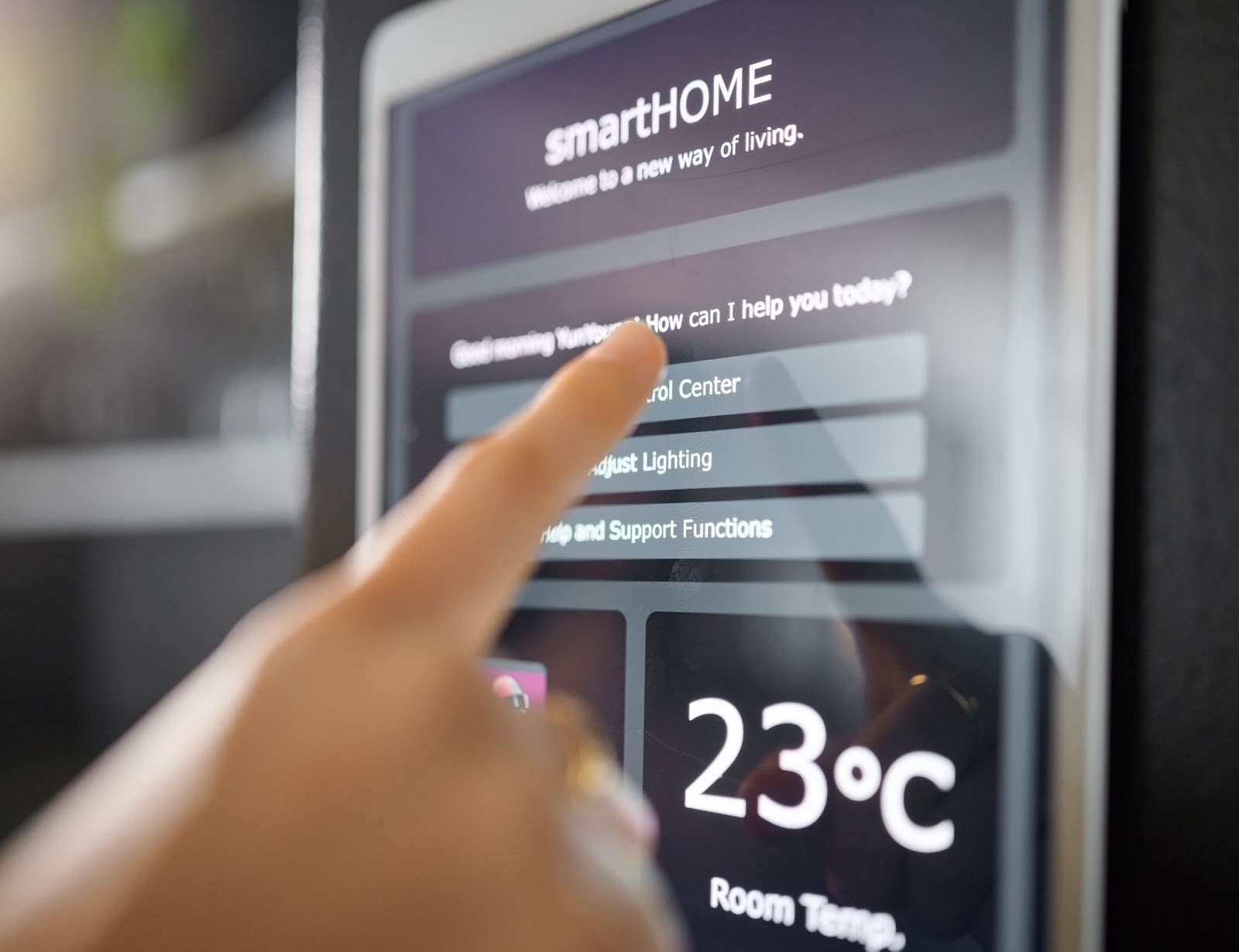
Before arranging an installation for your home integration system, it is worth thinking through a few points that affect how well the system will work for you. Taking time to review these factors helps avoid problems later.
The first is compatibility. Not all devices connect with every platform, and overlooking this can cause frustration when trying to bring older equipment into a new system.
Once compatibility is clear, the next step is to set a budget. Installation involves both devices and labour, so knowing what you are comfortable spending makes it easier to decide on the right scale of setup.
From there, think about scalability. Many households start with a small number of devices and expand over time. Choosing a system that can grow with your needs prevents the cost and hassle of replacing it later.
As the system will link to your home network, data security and privacy also need attention. Encryption, software updates, and secure Wi-Fi protect against unauthorised access.
Finally, the system is only as reliable as the people who install it. Selecting a qualified installer ensures that the design, setup, and aftercare are handled properly, giving you confidence that support will be there when needed.
Conclusion
A home integration system brings your devices together so they work as one, making the home easier to manage, more secure, and ready for the future. Professional installation ensures the setup is tailored to your space, tested for reliability, and supported over time.
If you are exploring smart home options, taking the step towards integration can be a practical way to simplify daily living. When the time feels right, speaking with a qualified installer will help you design a system that fits your home and grows with your needs.
Simplify your life with a home integration system! Reach out to AT Smart Home Singapore for any enquiries.