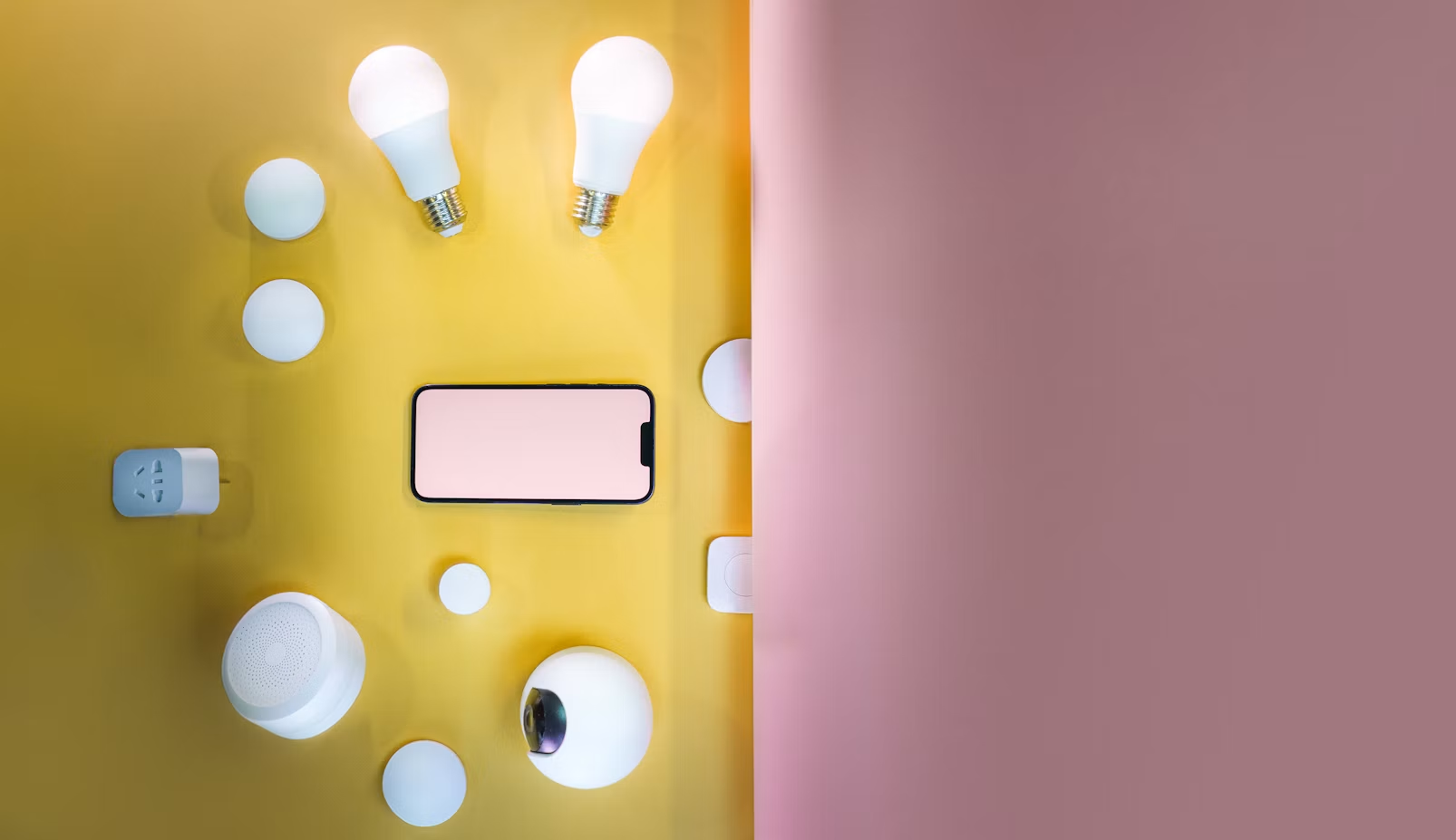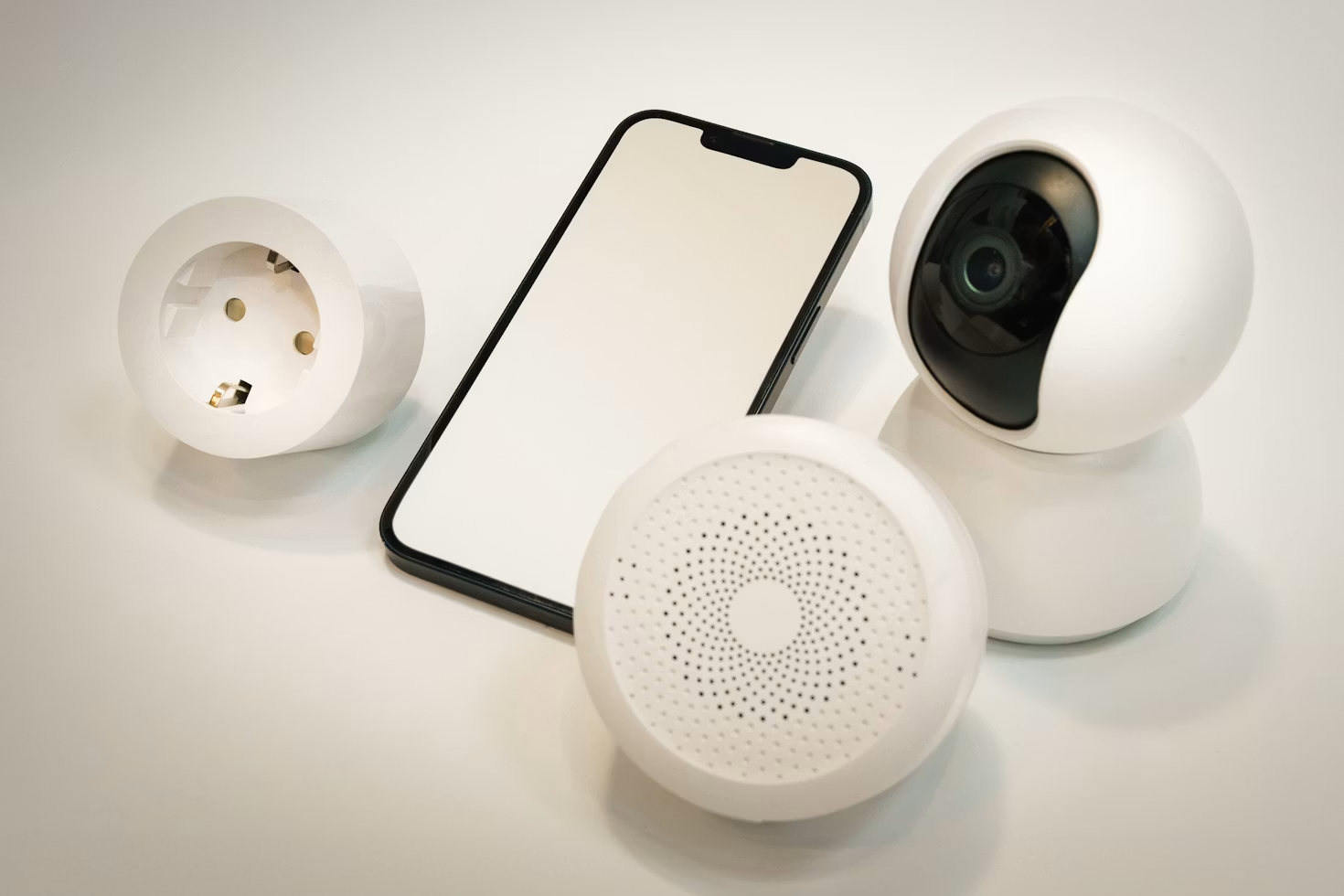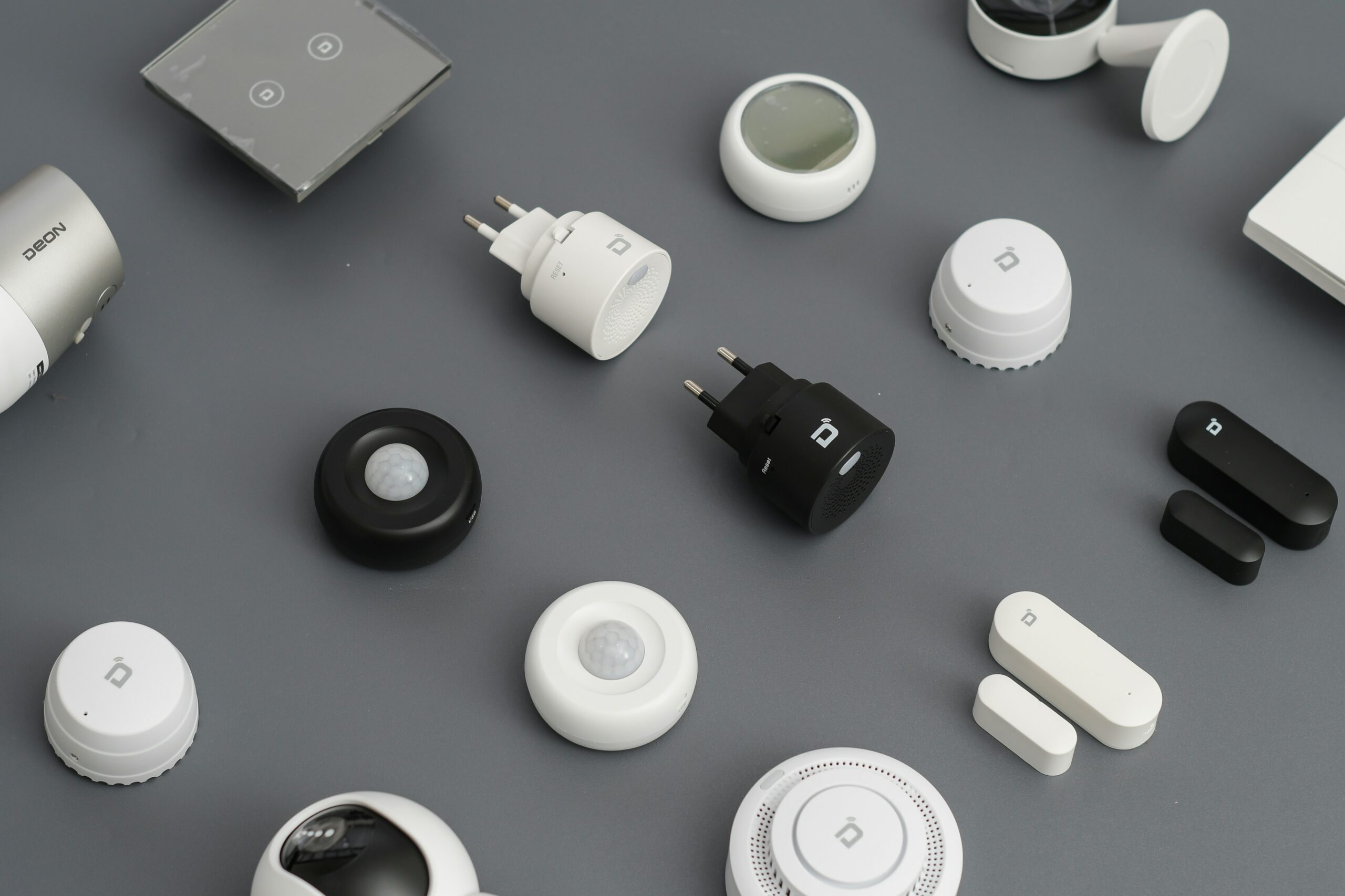
Smart homes are no longer a futuristic concept. Today, many homeowners are adopting devices for a smart home to make everyday living more convenient, secure, and energy efficient. From automated lighting and motorised curtains to smart appliances and security systems, smart home technology allows homeowners to control different parts of their home using a smartphone, voice command, or automated schedules.
With the growing adoption of home automation in Singapore, smart home devices have become an increasingly popular upgrade for both new homes and renovated properties. By integrating various devices into one connected ecosystem, homeowners can manage lighting, appliances, security, and climate settings more efficiently.
Whether you are starting small or planning a fully automated home, understanding the different devices for a smart home can help you build a system that suits your lifestyle.
What Are Devices For A Smart Home?

Smart home devices are connected technologies designed to automate or remotely control different functions in a home. These devices communicate with each other through wireless networks such as Wi-Fi or Zigbee and can be managed through mobile apps, voice assistants, or smart home hubs.
Why Professional Smart Home Planning Saves You Time & Money
Devices for a smart home are electronic systems that connect to a network and allow homeowners to control and automate household functions. These devices can manage lighting, security, appliances, window coverings, and other home features.
Most modern smart home devices can be controlled through a smartphone app, allowing homeowners to monitor and manage their homes even when they are away.
How Smart Home Devices Work
Smart home devices typically rely on wireless connectivity to communicate with each other and with the user.
Common technologies include:
- Wi-Fi devices that connect directly to a home internet network
- Zigbee devices that communicate through a smart hub for more stable automation
- Smart hubs that integrate multiple devices into one ecosystem
Once connected, these devices can be controlled through apps, voice assistants, or automation rules such as scheduled routines.
Benefits of Installing Smart Home Devices
There are several advantages to incorporating smart devices into a home:
Convenience and automation
Automate daily routines such as turning on lights, opening curtains, or switching on appliances.
Energy efficiency
Smart devices can automatically turn off lights or appliances when they are not needed, helping reduce electricity consumption.
Improved home security
Smart cameras, sensors, and alarms provide real-time monitoring and alerts.
Remote control and monitoring
Homeowners can manage devices from anywhere using their smartphone.
Essential Devices For A Smart Home
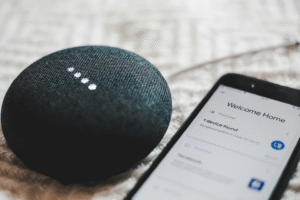
There are many types of smart home devices available today. Each category plays a role in improving comfort, security, and efficiency.
Smart Lighting Systems
Smart lighting is often the first step for many homeowners entering the world of home automation.
Smart lighting devices include:
- Smart bulbs
- Smart switches
- Smart dimmers
- Lighting automation systems
With smart lighting, users can control brightness, schedule lighting scenes, or turn lights on and off remotely. For example, lights can automatically switch on in the evening or turn off when no motion is detected.
Smart switches are particularly popular because they allow existing lighting systems to become smart without replacing all the bulbs.
Smart Curtains and Motorised Blinds
Smart window coverings provide both convenience and energy efficiency.
Motorised curtains and smart blinds allow homeowners to automate when curtains open and close. For instance, curtains can be scheduled to open in the morning to let in natural light and close at night for privacy.
Automated curtains can also help regulate indoor temperature by reducing heat from sunlight during the day.
Smart Security Devices
Security is one of the most important applications of smart home technology.
Common smart security devices include:
- Smart surveillance cameras
- Door and window sensors
- Motion sensors
- Smart door locks
These devices allow homeowners to monitor their property remotely and receive alerts when unusual activity is detected.
For example, if a door sensor detects that a door has been opened, the homeowner can receive an instant notification through a mobile app.
Smart Appliances
Smart appliances integrate technology into everyday household equipment.
Examples include:
- Smart kitchen hobs
- Smart fans
- Smart cooking appliances
- Smart electrical switches for appliances
These devices allow users to control appliances remotely or integrate them into automation routines.
For instance, a smart fan can automatically adjust speed based on room temperature or turn off when the room is unoccupied.
Smart Climate Control Devices
Maintaining comfortable indoor temperatures is another area where smart home devices are useful.
Climate control devices include:
- Smart air-conditioning controllers
- Smart thermostats
- Smart fans
These devices allow homeowners to adjust temperature settings remotely and automate cooling schedules.
For example, air-conditioning can be set to switch on shortly before the homeowner arrives home.
Smart Sensors
Sensors play a key role in home automation.
Common types of smart sensors include:
- Motion sensors
- Door and window sensors
- Temperature sensors
- Water leak sensors
Sensors can trigger automated actions. For example, when motion is detected in a room, the lights can automatically turn on.
Must-Have Smart Home Devices for Every Room
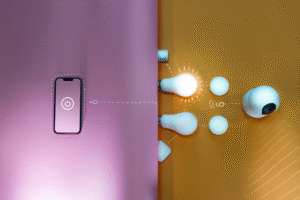
Different areas of the home benefit from different smart devices.
Living Room
The living room is often the central space for smart home automation.
Recommended devices include:
- Smart lighting systems
- Smart switches
- Motorised curtains
- Smart entertainment controls
Lighting scenes can be created for different activities such as watching movies or hosting guests.
Kitchen
Smart devices in the kitchen focus on convenience and efficiency.
Useful smart kitchen devices include:
- Smart hobs
- Smart kitchen appliances
- Smart lighting systems
These devices help streamline cooking and improve safety in the kitchen.
Bedroom
Smart home devices can make bedrooms more comfortable and relaxing.
Popular devices include:
- Smart switches
- Automated lighting scenes
- Motorised curtains
For example, curtains can open automatically in the morning, while lights gradually brighten to simulate a natural wake-up experience.
Outdoor Spaces
Outdoor areas can also benefit from smart automation.
Common devices include:
- Outdoor smart cameras
- Motion sensors
- Smart outdoor lighting
These devices help improve home security and provide better visibility at night.
Smart Home Devices That Improve Security
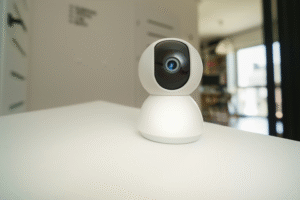
Smart home security systems provide homeowners with better control and visibility over their property.
Key security devices include:
Smart cameras
Allow remote monitoring of indoor and outdoor spaces.
Smart locks
Enable keyless entry and remote locking or unlocking of doors.
Door and window sensors
Detect when entry points are opened.
Motion sensors
Trigger alerts or activate cameras when movement is detected.
These devices work together to create a comprehensive home security system.
Energy-Saving Devices For A Smart Home
Smart home technology can also help reduce energy consumption.
Devices that contribute to energy savings include:
- Smart lighting systems that turn off automatically
- Smart fans and appliances that operate on schedules
- Motion sensors that control lighting
- Smart automation routines that reduce unnecessary power usage
For example, lights can automatically turn off when a room is empty, helping reduce electricity bills.
How To Choose The Right Devices For A Smart Home

When selecting smart home devices, it is important to consider several factors to ensure the system works efficiently.
Compatibility With Smart Home Systems
Different smart devices operate on different communication protocols.
Two common types are:
- Wi-Fi devices, which connect directly to a home network
- Zigbee devices, which communicate through a central hub
Choosing compatible devices ensures smooth integration within a smart home ecosystem.
Ease of Installation
Some smart devices can be installed easily, while others may require professional setup.
Wireless devices are often easier to install and require minimal wiring.
Scalability
A good smart home system should allow homeowners to add more devices over time.
This flexibility makes it easier to expand automation as needs change.
Integration With Voice Assistants
Many smart home devices can integrate with voice assistants such as Google Assistant or Amazon Alexa.
This allows users to control devices using simple voice commands.
Why Choose AT Smart Home for Smart Home Devices Installation in Singapore
AT Smart Home offers a range of smart home solutions designed for both residential and commercial properties. These include smart lighting, motorised curtains, smart switches, sensors, and smart appliances.
With professional consultation and installation services, homeowners can create a customised smart home system tailored to their needs.
Smart home devices from AT Smart Home are designed to work seamlessly together, allowing users to control and automate their homes through a unified system.
Start Building Your Smart Home Today
Smart home technology continues to evolve, making it easier than ever to create a connected and automated living environment.
By installing the right devices for a smart home, homeowners can enjoy improved comfort, enhanced security, and greater energy efficiency.
Whether you want to automate lighting, install motorised curtains, or enhance home security with sensors and cameras, smart home technology provides a flexible solution for modern living.
Exploring different smart home devices is the first step toward creating a smarter and more convenient home environment.
See How We’ve Transformed Homes
Our satisfied clients reflect the quality of our work.
Their success stories speak for themselves – and yours could be next.
Empowering Homes with Leading Partners
We work with the best in smart home technology, turning your dream home into reality.
We bring intuitive solutions to simplify and elevate your everyday living.
















Say Hello To Smarter Living – Get in Touch
Why wait? Transform your home with ease. Our team is here to guide you from start to smart!
Frequently Asked Questions About Devices For A Smart Home
What devices are needed for a smart home?
Common devices for a smart home include smart lighting, smart switches, motorised curtains, security cameras, sensors, and smart appliances. These devices can work together to automate different aspects of a home.
Are smart home devices difficult to install?
Some smart home devices are designed for easy installation, while others may require professional setup. Many homeowners choose professional installation to ensure proper integration with their home automation system.
Can smart home devices work without internet?
Some devices can operate locally within a home network, but many features such as remote control and app access typically require an internet connection.
What is the difference between Wi-Fi and Zigbee smart devices?
Wi-Fi devices connect directly to the home network, while Zigbee devices connect through a hub that manages communication between devices. Zigbee networks are often more stable for large smart home systems.
Are smart home devices safe to use?
Most modern smart home devices include security features such as encryption and secure connections. Using trusted brands and keeping device software updated can help maintain security.