Planning to reduce your electricity consumption? For most residents in Singapore, our energy habits are dictated by the sweltering heat—hotter weather, more energy use. While we can do our best to reduce consumption, keeping track of everything is easier said than done.
And that’s where smart home energy saving devices come in.
What Are Smart Home Energy Saving Devices?
Smart home energy saving devices are designed to help homeowners reduce energy consumption automatically. Unlike traditional home appliances, these devices use automation to make your home more energy efficient.
With the potential to reduce energy consumption by 20%, devices like smart lighting and smart curtains are becoming more and more popular in Singapore.
How Do Smart Home Energy Saving Devices Work?
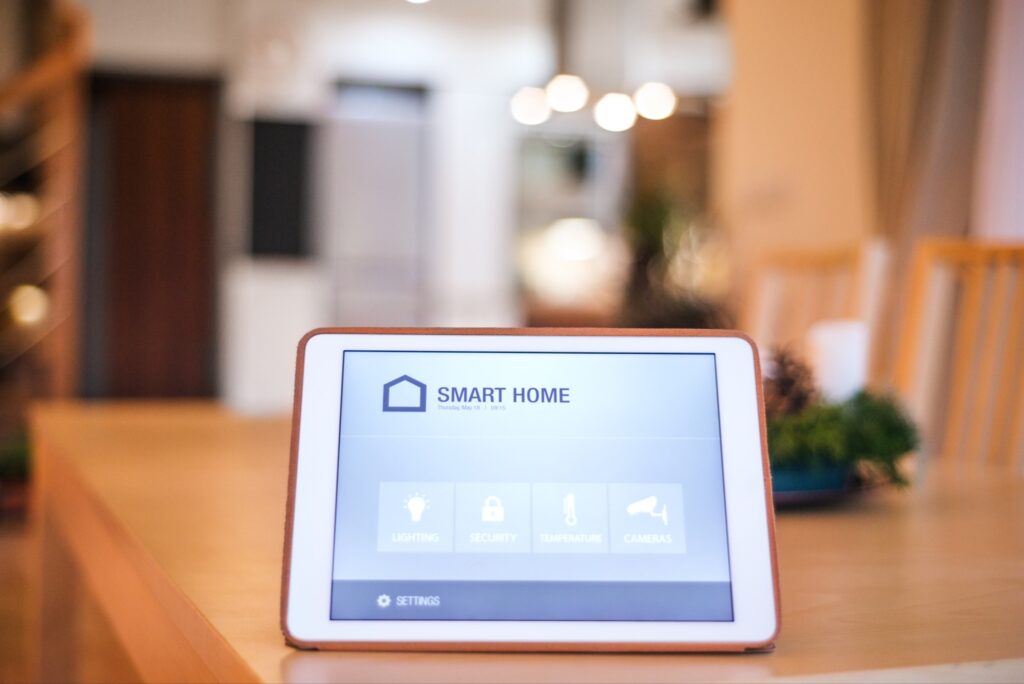
These devices work by automating everyday tasks based on your preferences. For example, smart lights can turn on or off when someone walks in and out of a room. Likewise, smart curtains can close during the hottest part of the day to reduce heat entering your home.
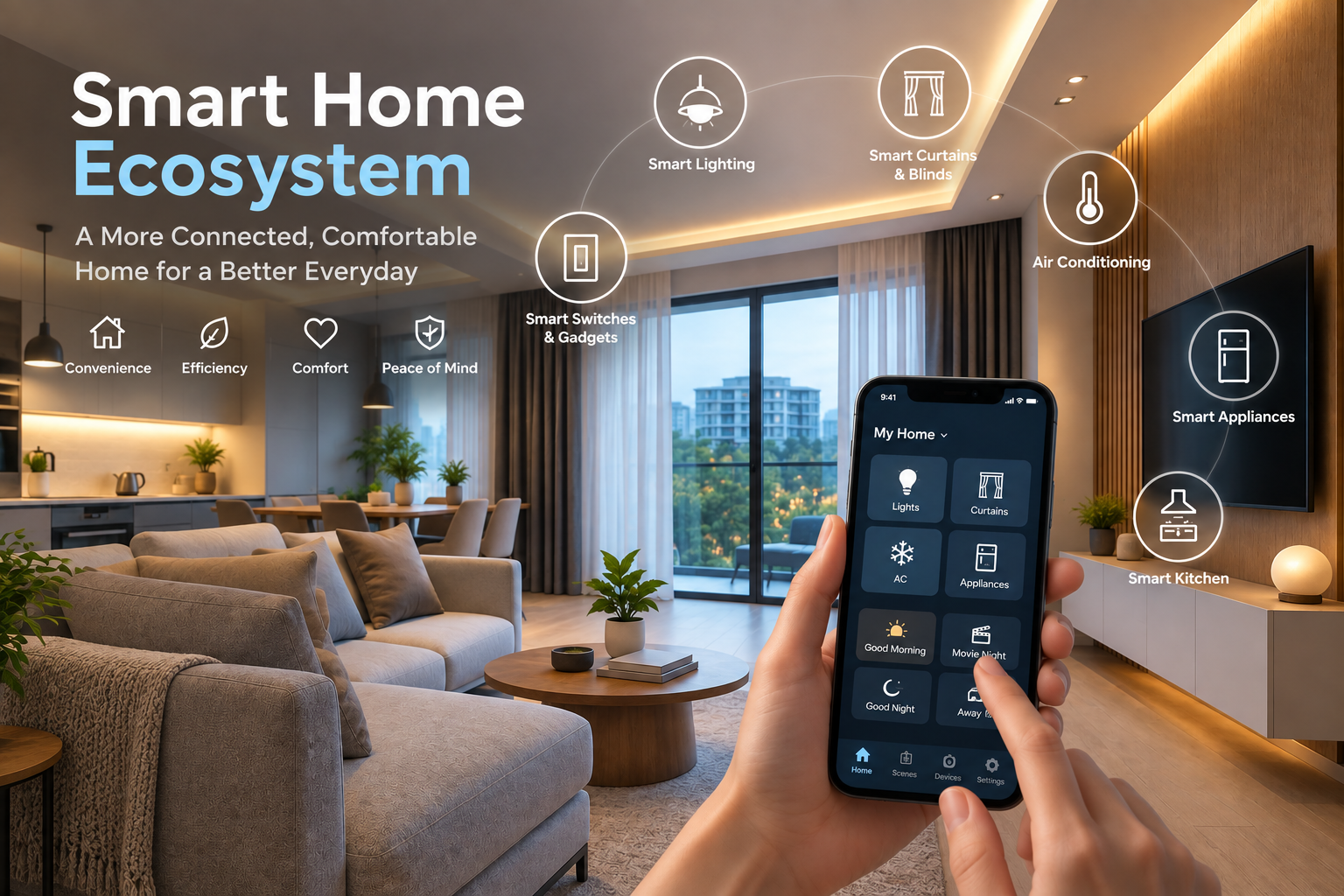
Most smart home systems are connected through a central hub or mobile app. This creates an interconnected network where devices can communicate with one another. When automated correctly, all your devices can work together to reduce unnecessary energy consumption.
Read More: Choosing the Right Smart Home Ecosystem: Google, Alexa, or Tuya?
Common Smart Home Energy Saving Devices
Smart Lighting
(Image Source: AT Smart Home)
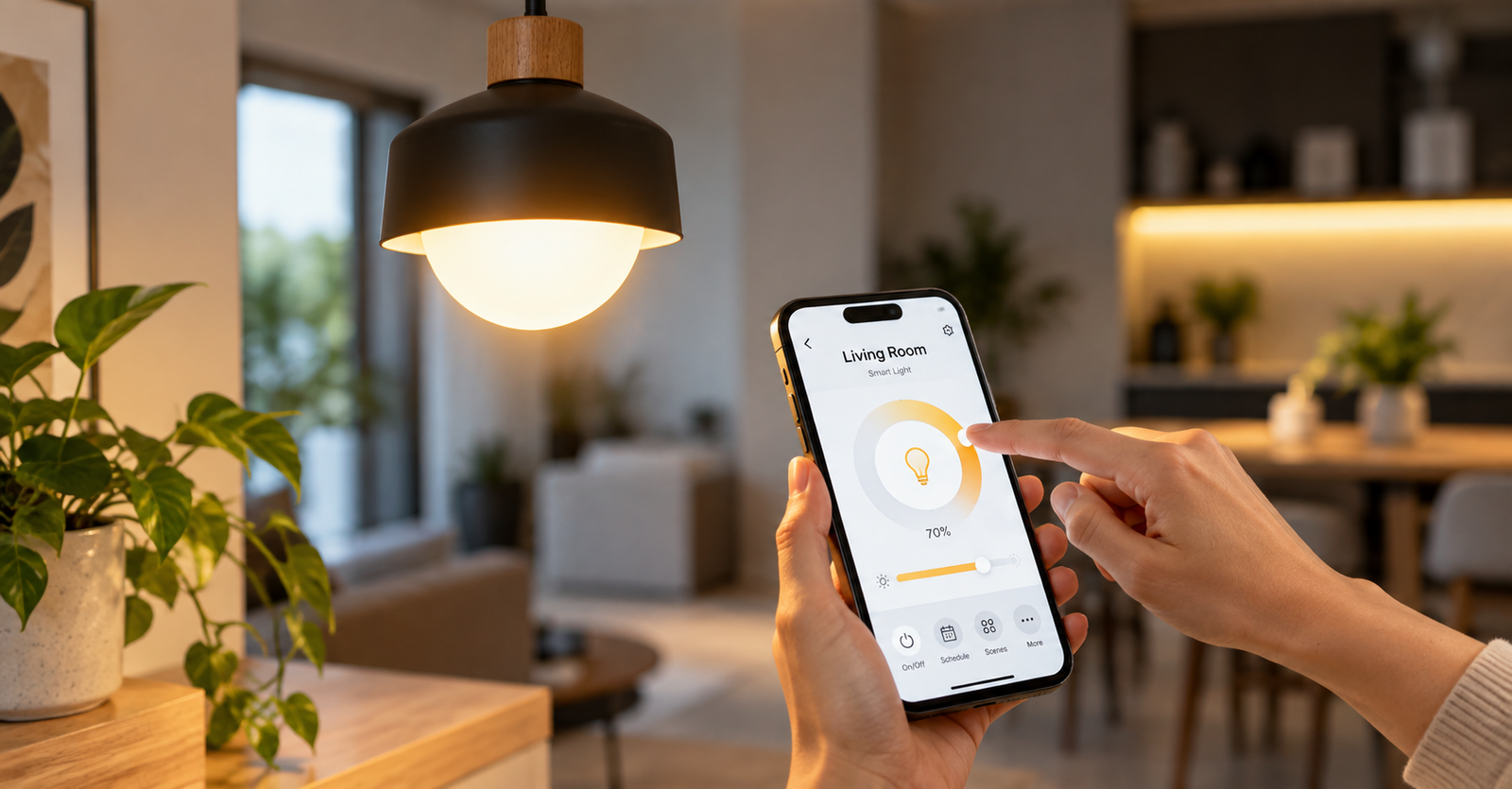
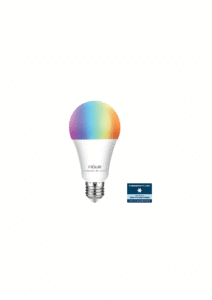
Smart bulbs allow you to automate your lights. This is one of the most popular areas to optimise as lighting is needed in all homes. With a simple command, you can turn them on and off, adjust brightness levels and even change colour temperatures.
Smart bulbs like the MOWE WiFi Smart Bulb also come with motion sensors, scheduling features, and less heat generation.
Smart Temperature Control
(Image Source: AT Smart Home)
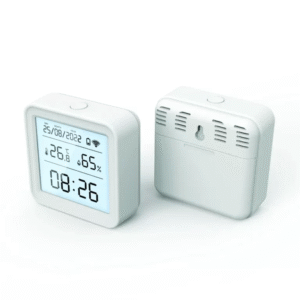
Air conditioning accounts for the largest share of energy consumption in Singapore homes. Since many homeowners adjust their air conditioner manually, it’s easy to over cool a room or leave it running longer than necessary.
Devices like the Mowe Temperature & Humidity Sensor provide real-time readings of your home’s temperature and humidity levels. This means your air conditioning or even fans can respond automatically based on current conditions.
Smart Socket
(Image Source: AT Smart Home)
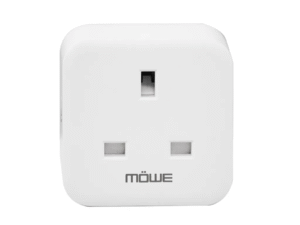
Many household appliances continue to draw phantom energy. This is when a device draws power even when it is not being used. Phantom energy can quietly increase your electric bill over time, especially when multiple devices are left plugged in.
Smart sockets like the Mowe Smart Socket are designed to prevent unnecessary energy consumption. They transform any standard power outlet into a smart solution, giving you control over traditional appliances.
Smart Curtains
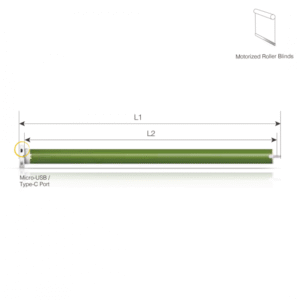
(Image Source: AT Smart Home)
Smart curtains allow you to open or close your curtains at certain times of the day. Reducing the amount of heat entering your home can lower your reliance on air conditioning. Additionally, you also reduce the need for artificial lights.
Devices like the Dooya Pro Zigbee Smart Curtain Motor even come with smart monitoring systems that provide insights into your energy consumption. You can then optimise your electricity usage based on these findings.
Mowe Smart Presence Sensor
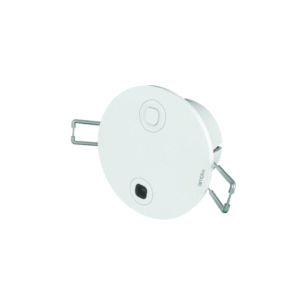
(Image Source: AT Smart Home)
Traditional motion sensors only detect movement, which can lead to inaccurate automation. For example, lights may switch off even when someone is still in the room. Smart presence sensors solve this by detecting both movement and stationary presence.
Devices like the Mowe Smart Presence Sensor use advanced radar technology to accurately detect human presence. This allows your smart home system to automate lights, air conditioning, and other devices based on whether a room is occupied.
Mowe 60″ Smart Ceiling Fan
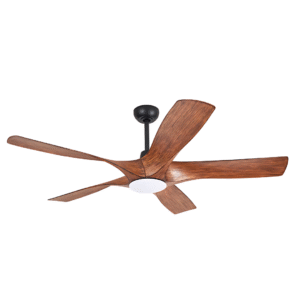
(Image Source: AT Smart Home)
Air conditioning accounts for a large portion of electricity consumption in Singapore homes. Using a smart ceiling fan can help reduce your reliance on air conditioning while keeping your home cool and comfortable.
Devices like the Mowe 60″ Smart Ceiling Fan allow you to adjust fan speeds and create schedules through app or voice command. By giving you better control over your cooling habits, you can reduce unnecessary energy consumption while staying comfortable.
The Benefits of Smart Home Energy Saving Devices

- Lower Electricity Bills: The biggest benefit is exactly what the name suggests. By automating your home, devices only operate when they are needed. Small changes like reducing your reliance on air conditioning can add up to better savings over time.
- More Convenience: Smart home devices automate tasks for you. This way, you don’t have to remember to switch off the lights or adjust your curtains throughout the day. Many devices can also be controlled remotely, giving you control even when you’re away.
- Better Comfort: Smart home devices can create a comfortable living environment too. Your home can automatically adjust your appliances based on current conditions. This means you can enjoy a comfortable home without constantly making adjustments.
- Energy Monitoring: Many smart home devices provide real-time insights into your electricity usage. This allows you to identify and optimise your home’s energy efficiency. Over time, these insights help you develop smarter energy habits so you can save money.
- Sustainable Home: Using less electricity benefits both your wallet and the environment. By reducing unnecessary energy consumption, smart home energy saving devices help lower your home’s carbon footprint. This can make your home more sustainable without compromising on comfort.
Tips to Maximise Smart Home Energy Saving Devices
- Create Smart Schedules: Schedule your lights, fans, and curtains based on your daily routine. For example, lights can switch off automatically when everyone leaves, while curtains can close during the hottest part of the day to reduce heat entering your home.
- Use Sensors for Automation: Pair smart lights, air conditioners, or ceiling fans with motion, presence, or temperature sensors. This ensures devices only operate when they’re actually needed, eliminating unnecessary electricity usage.
- Monitor Your Energy Usage: Smart home systems provide energy reports that show how much electricity your devices consume. Reviewing this data can help you identify which appliances use the most power and where you can make changes.
- Integrate Your Smart Devices: The biggest energy savings come when devices work together. For instance, your curtains can close automatically when the room gets too warm, while your ceiling fan turns on before the air conditioner needs to.
The Bottom Line
Smart home energy saving devices can make life both easy and savvy. From smart lighting to smart fans, these devices can work together to reduce energy consumption and lower your bills. Just remember to choose the right solutions for your home before setting up your system.
Need help setting up your smart home? Visit atsmarthomesg.com or contact us to find out more!