Can a smart home be an eco-friendly home? While a smart home is designed to make everyday living more convenient, smart technology can be used to improve eco-friendliness too. In fact, smart living and sustainable living are increasingly interconnected.
Modern smart tech is becoming more eco-friendly with each iteration, helping home owners lower their overall energy consumption. Let’s take a closer look at how smart technology can easily turn your home into an eco-friendly smart home:
Smart Lighting
(Image Source: AT Smart Home)
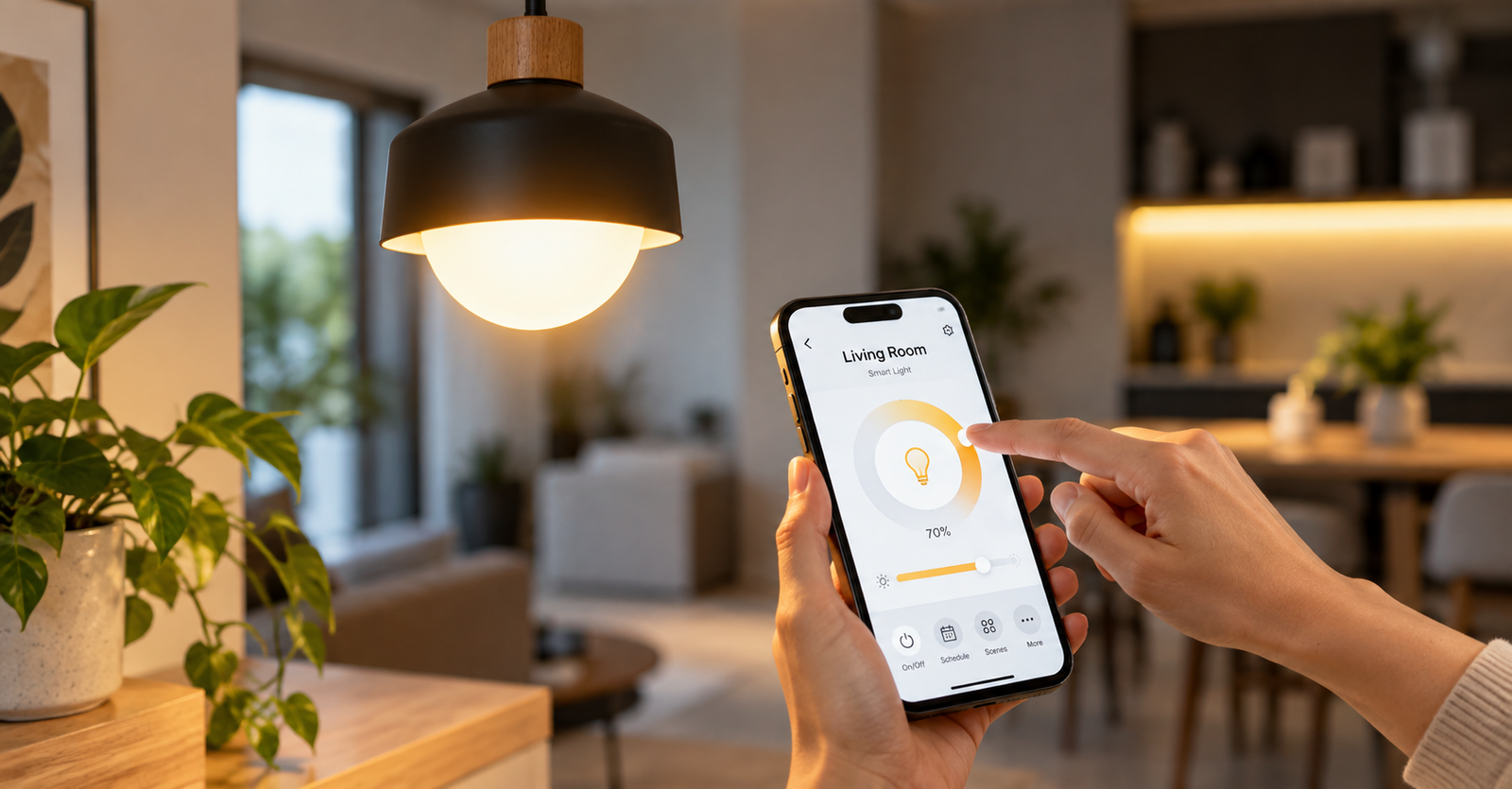
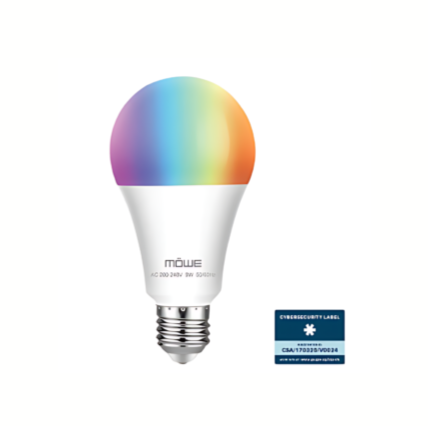
Lighting is one of the easiest areas to optimise in an eco-friendly smart home. Smart lighting systems or smart bulbs allow you to automate your lights. You can turn them on and off, adjust brightness levels and change colour temperatures.
Smart bulbs like the MOWE WiFi Smart Bulb even come with motion sensors, ensuring lights are only used when needed. It also has scheduling features that prevent unnecessary consumption during the day.
Not to mention less heat generation compared to traditional bulbs.
Smart Temperature Control
(Image Source: AT Smart Home)
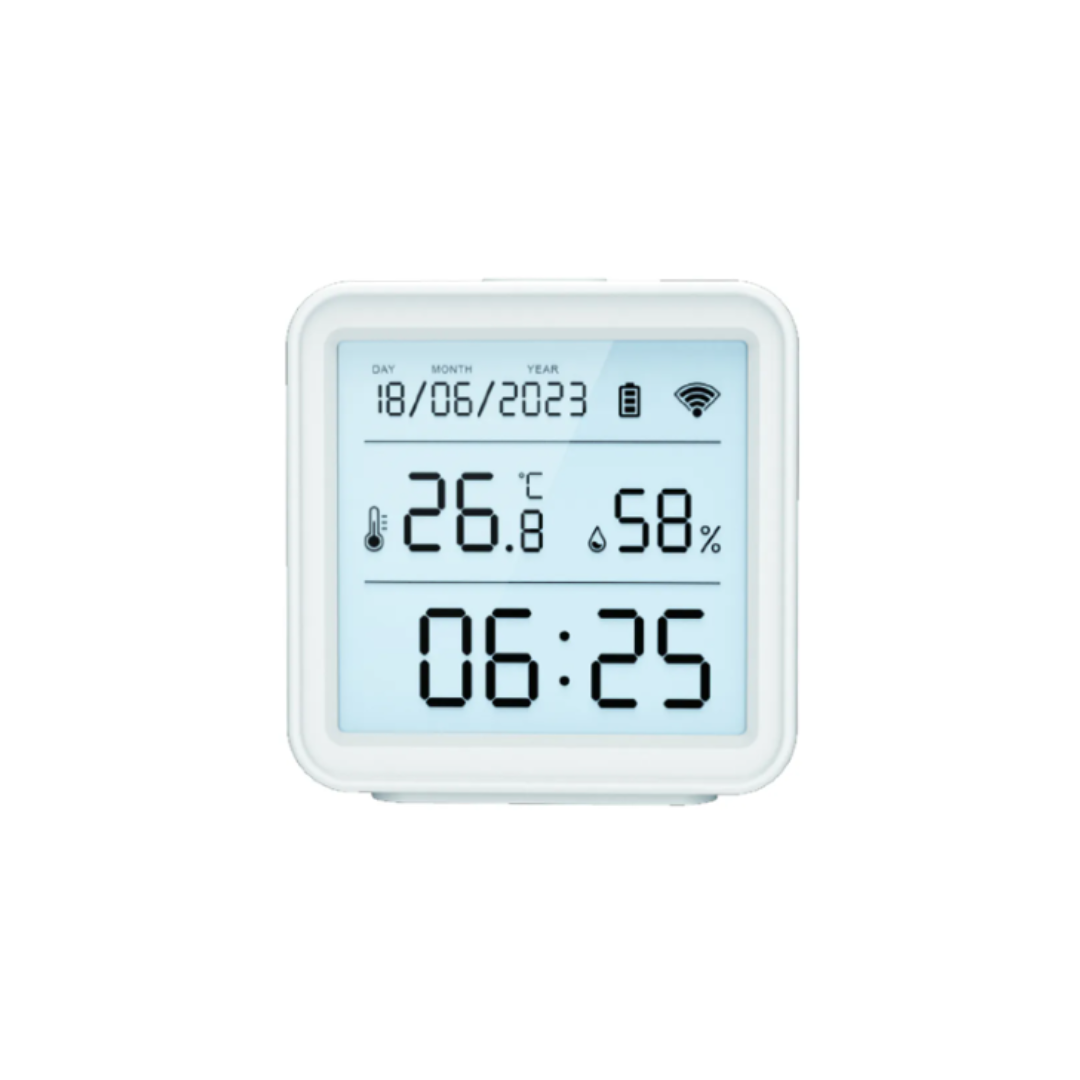
Temperature plays an important role in energy consumption. Instead of manually adjusting your air conditioner, smart temperature allows you to maintain an optimal indoor environment throughout the day.
Devices like the Mowe Temperature & Humidity Sensor gives you real-time access to both temperature and humidity levels. This makes it easier to avoid overcooling—one of the most common causes of energy waste. It even supports automated scene linkage.
This means your air conditioning or fans can respond automatically based on actual conditions. It’s also useful for maintaining specific environments like in a baby’s room or food storage.
Smart Socket
(Image Source: AT Smart Home)
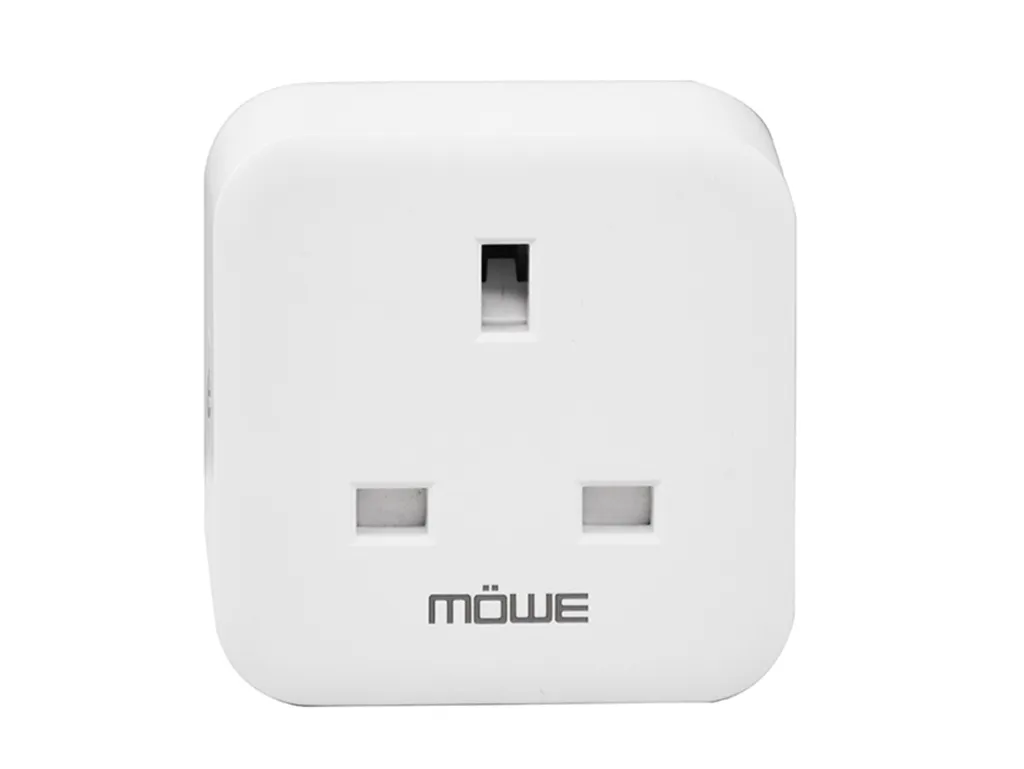
Many household devices continue to draw power when they are not in use. This is called phantom energy and it can quietly increase your electric bill over time. Smart sockets are designed to prevent unnecessary consumption.
You can remotely turn appliances on or off, set schedules and automate daily routines. For example, the Mowe Smart Socket transforms any standard power outlet into a smart solution.
You can control your devices from anywhere or schedule when devices should be turned on or off. These sockets are also considerably cheap, making them a cost-effective solution for an eco-friendly smart home.
Smart Curtains
(Image Source: AT Smart Home)
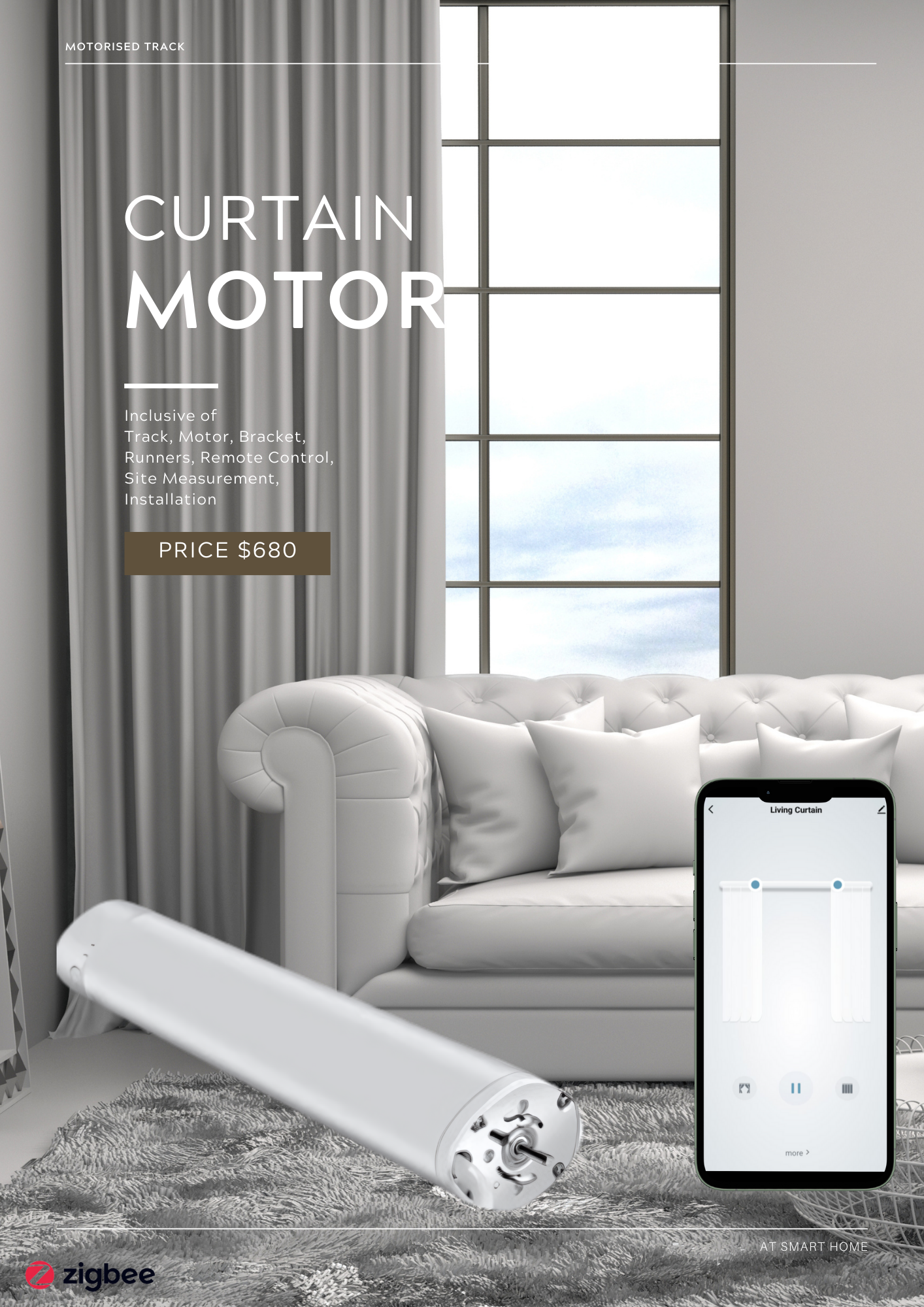
Smart curtains allow you to control when natural lights enter your home. You can automate curtains to close during the hottest parts of the day and open in the morning or evening.
This helps reduce heat entering your home, lowering the need for air conditioning. At the same time, letting in natural light reduces reliance on artificial lights. You’ll create a more comfortable environment while regulating indoor temperature naturally.
Devices like the Dooya Pro Zigbee Smart Curtain Motor even have smart monitoring systems that provide insights into electricity usage. You can then optimise your electricity usage based on these findings.
Smart Appliances
Smart appliances are designed to operate more efficiently than traditional ones. This includes refrigerators, washing machines, ceiling fans and anything in between. These devices optimise energy usage based on habits in your eco-friendly smart home.
Many smart appliances come with energy-saving modes and usage tracking features. This allows you to monitor consumption and adjust settings accordingly.
For example, running your washing machine during off-peak hours or using eco modes can reduce electricity usage.
Smart Water Management
Smart water management systems help you monitor and control how much water your household uses daily. With smart sensors, you can detect leaks early and prevent unnecessary water wastage.
Some systems also provide usage insights, allowing you to identify areas where you can cut down consumption. You can even automate watering schedules for plants, ensuring they receive just the right amount of water without overuse.
This not only conserves water but also supports a more sustainable and eco-friendly lifestyle.
The Human Side of an Eco-Friendly Smart Home
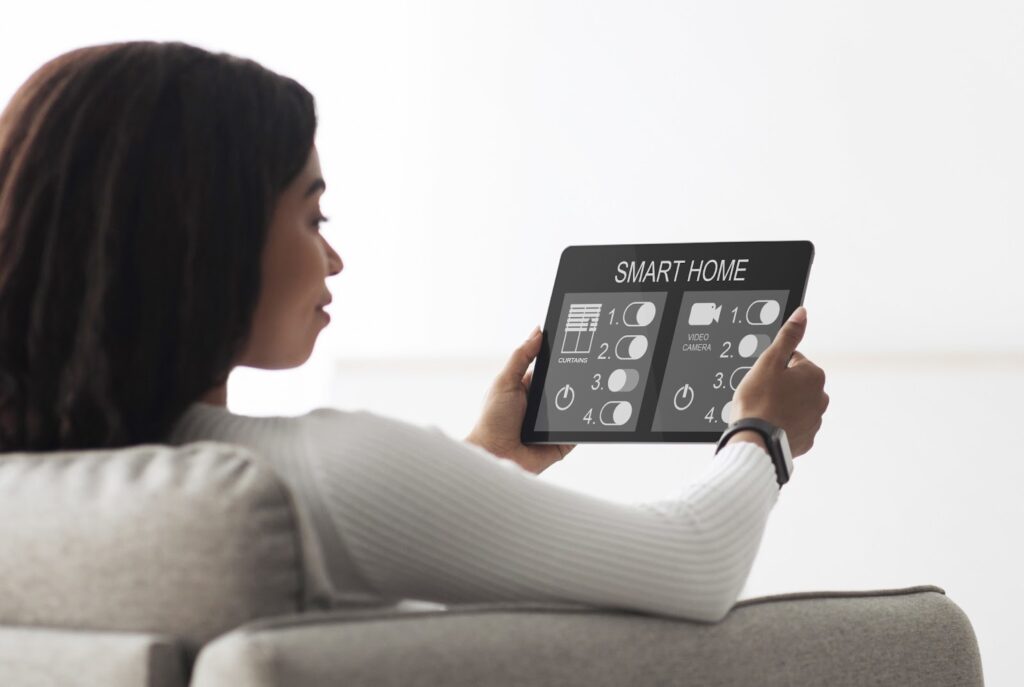
(Image Source: AT Smart Home)
Technology is only as effective as the human behind it. In other words, the true impact of an eco-friendly smart home comes from how you use them. That’s why it’s important to have a thorough understanding of setting schedules and automations.
This reduces the chances of forgetting to switch off lights, appliances or air conditioning. For example, you can set your home to enter “away mode” when no one is around. This is where unnecessary devices are powered down.
At night, another routine can ensure only essential devices are running. Over time, these small automations can help you save up. You’ll notice reduced energy consumption without having to constantly monitor everything yourself.
Check out our Smart Home Creation Service to get started!
The Bottom Line
Smart technology is designed to make sustainable living easier. These devices will not only reduce energy consumption, but also make everyday life easier. With that said, it’s important to automate your devices properly to ensure they work efficiently and actually save energy.
Need help setting up your eco-friendly smart home? Visit atsmarthomesg.com or contact us to find out more!
See How We’ve Transformed Homes
Our satisfied clients reflect the quality of our work.
Their success stories speak for themselves – and yours could be next.
Empowering Homes with Leading Partners
We work with the best in smart home technology, turning your dream home into reality.
We bring intuitive solutions to simplify and elevate your everyday living.














Say Hello To Smarter Living – Get in Touch
Why wait? Transform your home with ease. Our team is here to guide you from start to smart!