A smart home is more than having a few devices that you can control from your phone. A smart light that responds to an app, a smart curtain that opens automatically, or an air conditioner that can be switched on remotely can each make life more convenient. But when these devices are connected and work together, they become part of something much more powerful: a smart home ecosystem.
A smart home ecosystem brings different devices, sensors, controls, and automation features together so that your home can respond to your routines and preferences. Instead of managing every device separately, you can create automated scenes that allow multiple systems to work together.
For homeowners in Singapore, this can include everything from smart lighting and switches to curtains, air conditioning, kitchen appliances, and other connected home technologies.
The goal is not simply to add more technology to your home. It is to create a home that is more convenient, comfortable, efficient and responsive to the way you live
What Is a Smart Home Ecosystem?
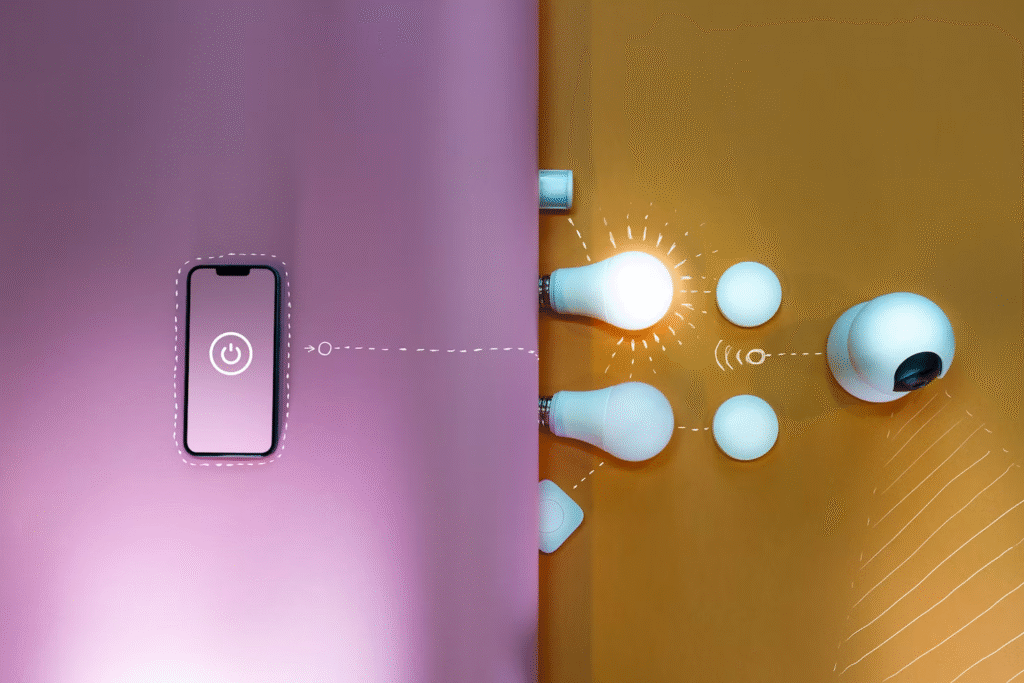
A smart home ecosystem is a connected system that allows different smart devices and technologies within your home to communicate and work together.
Think of it as the central framework behind your smart home.
Instead of having:
- One app for your lights
- Another app for your curtains
- A separate remote for your air conditioner
- Another system for your appliances
A connected ecosystem can bring many of these functions together under a central platform, hub or control system.
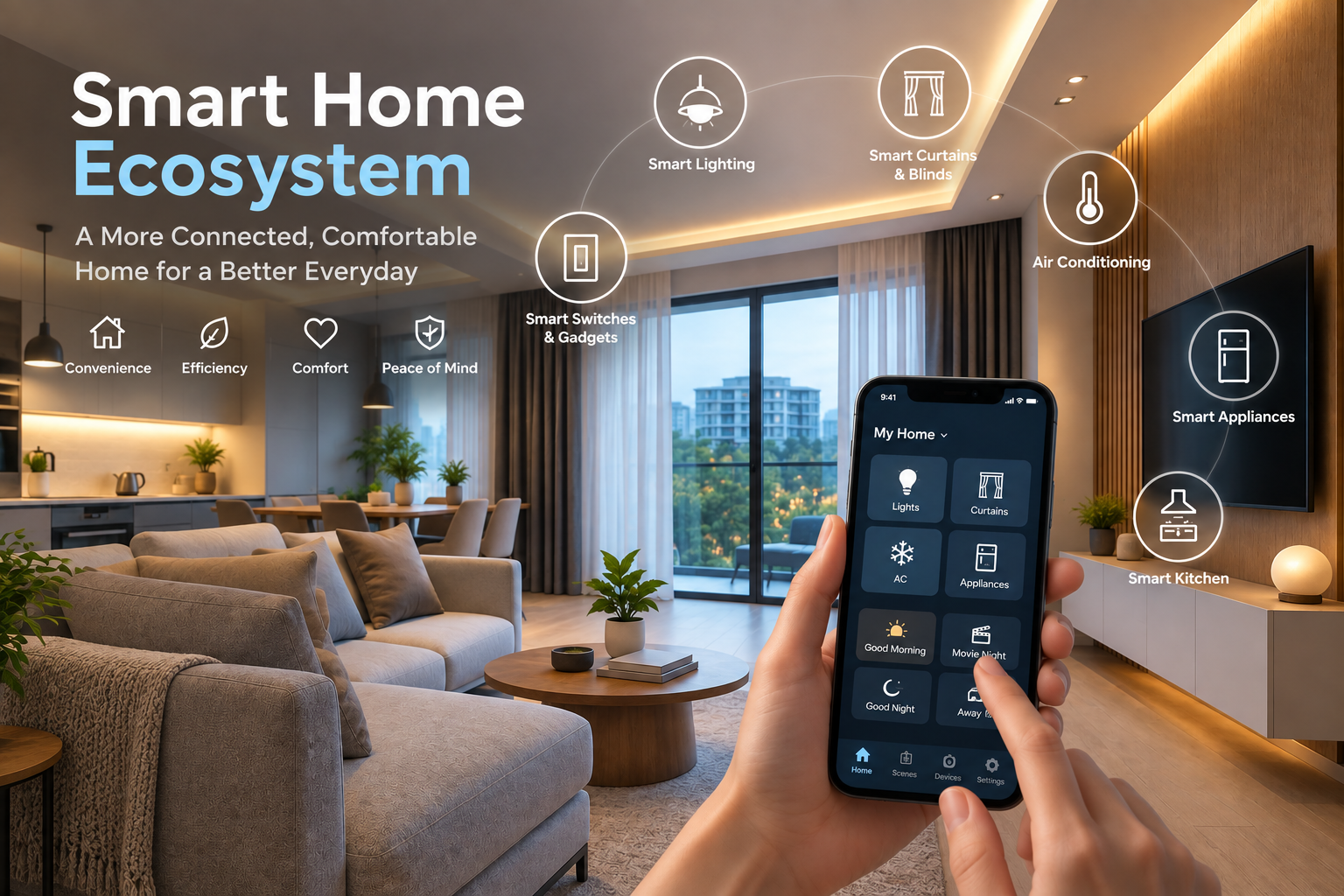
For example, you could create a “Good Night” routine that turns off selected lights, closes your curtains and adjusts your air conditioning with a single command.
The real value of a smart home ecosystem comes from integration and automation, rather than simply having a collection of smart products.
Smart Home Devices vs Smart Home Ecosystems
There is an important difference between owning smart devices and having a smart home ecosystem.
| Smart Home Devices | Smart Home Ecosystem |
| Individual products | Connected system |
| Usually controlled separately | Multiple devices can work together |
| May use separate apps | Can provide centralised control |
| Limited automation | Multi-device automation |
| Focuses on individual functions | Focuses on the overall home experience |
For example, a smart bulb can be controlled from your phone. But when that bulb is connected to motion sensors, smart switches, curtains, and other devices, you can create automated routines around how you use the room.
That is where a smart home starts becoming an ecosystem.
How Does a Smart Home Ecosystem Work?
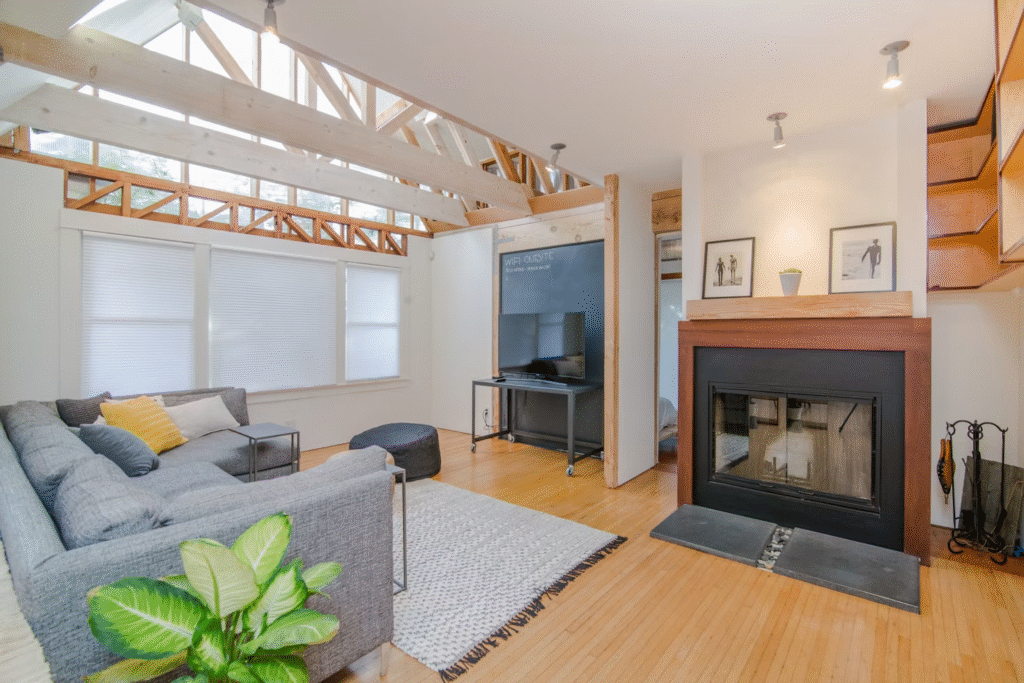
A typical smart home ecosystem consists of several layers that work together.
1. Smart Home Hub or Gateway
A hub or gateway can act as the communication centre for compatible smart devices.
Depending on the system, it can help devices using different communication technologies connect with one another and communicate with the wider smart home platform.
For example, a gateway may act as a bridge between Zigbee devices and Wi-Fi, allowing compatible smart devices to be managed through a central application.
A properly configured hub can also make it easier to create automation routines involving multiple devices.
2. Smart Devices
These are the devices that perform different functions around your home.
They can include:
- Smart lights
- Smart switches
- Smart plugs
- Smart curtains and blinds
- Smart fans
- Smart air conditioning controls
- Smart appliances
- Smart kitchen devices
- Sensors
- Security devices
Each device can perform its own function, but the real benefit comes when compatible devices can work together.
3. Sensors
Sensors provide information that can trigger automation.
Depending on the system, these may include:
- Motion sensors
- Door and window sensors
- Temperature sensors
- Light sensors
- Occupancy sensors
For example, a motion sensor could detect when someone enters a room and trigger the lights automatically.
Sensors are particularly useful because they allow your home to respond to what is happening rather than relying entirely on manual commands.
4. Apps and Control Interfaces
Smart homes can be controlled through different interfaces depending on the system.
These can include:
- Smartphone apps
- Voice assistants
- Smart switches
- Remote controls
- Touch panels
- Automated routines
Physical controls can still be useful even in a highly automated home. A well-designed system should make it easy to control your home whether you prefer automation, an app, voice commands, or traditional switches.
5. Automation and Scenes
Automation is what brings the ecosystem together.
Rather than controlling individual devices one at a time, you can create scenes based on particular activities or times of day.
For example:
Good Morning
- Open the curtains
- Turn on selected lights
- Adjust the air conditioning
Movie Night
- Close the curtains
- Dim the lights
- Switch on selected lighting
- Adjust other connected devices
Good Night
- Turn off selected lights
- Close the curtains
- Adjust the air conditioning
- Switch off selected appliances
The exact automation available depends on the devices and ecosystem being used.
Key Components of a Smart Home Ecosystem
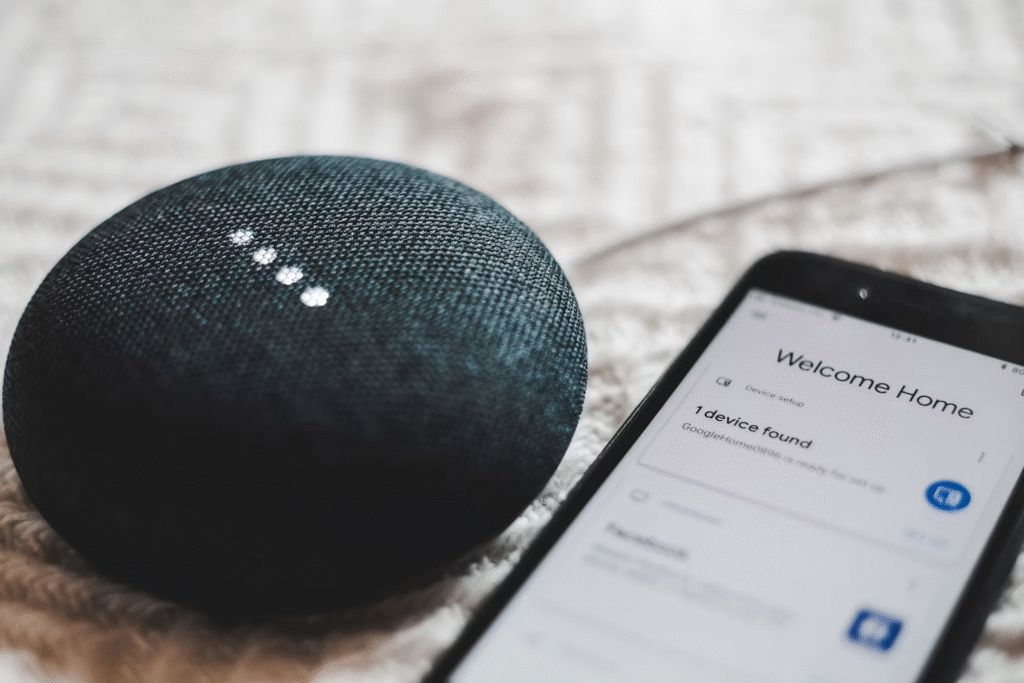
A smart home ecosystem can be built around many different types of devices. The right combination depends on your home, lifestyle, and priorities.
Smart Lighting
Smart lighting is often one of the easiest places to start.
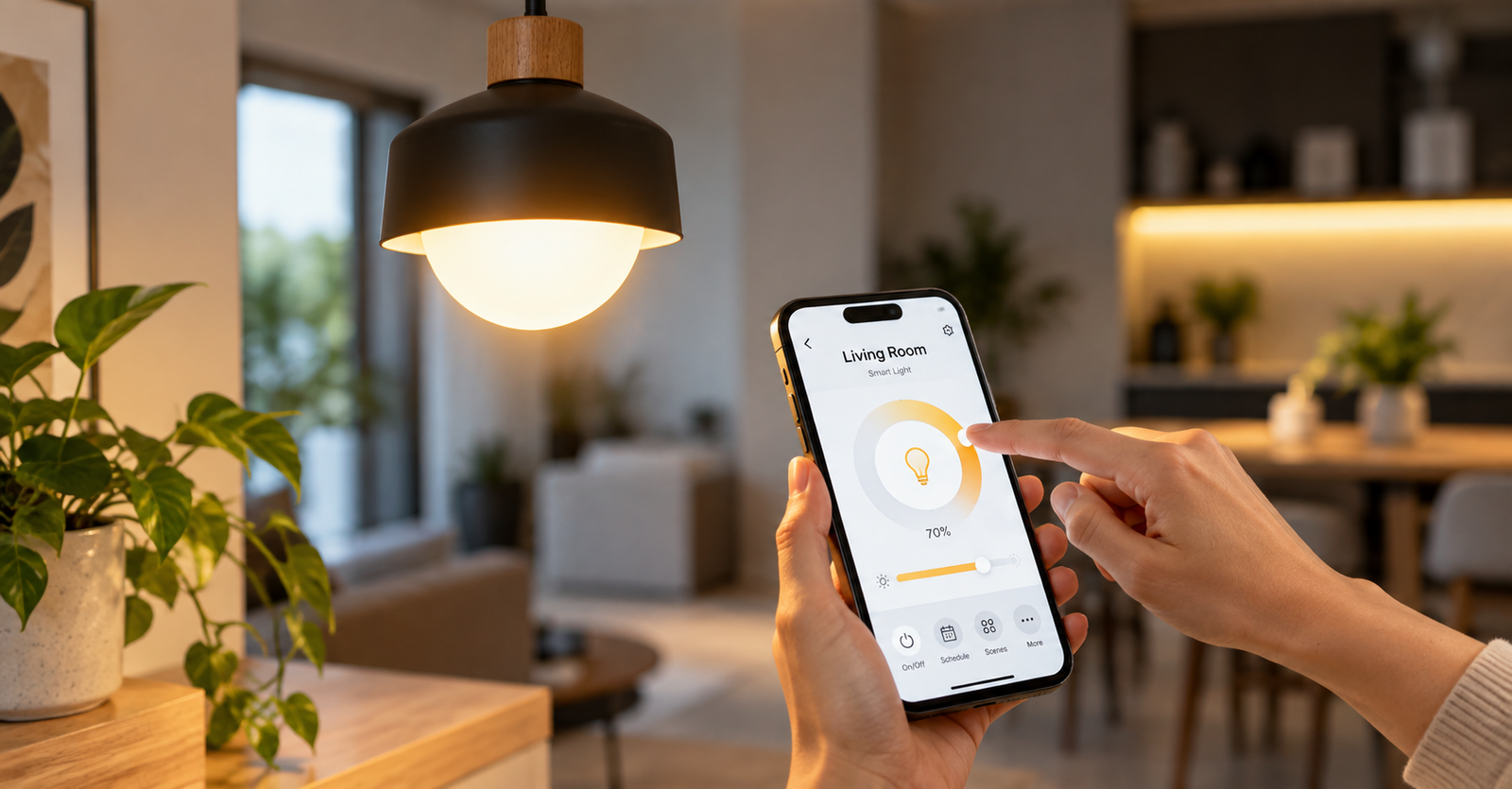
Depending on the products you choose, you may be able to control lighting remotely, adjust brightness, schedule lights, or include them in automated scenes.
Smart lighting can also work with sensors and other devices.
For example, lights could turn on when motion is detected or be automatically dimmed as part of a bedtime routine.
If you are considering connected lighting for your home, explore AT Smart Home’s smart lighting solutions.
Smart Switches and Gadgets
Smart switches provide another way to introduce automation into a home.
Instead of replacing every existing light with a smart bulb, homeowners can use compatible smart switches to control lighting and other connected functions.
Other smart gadgets can also help connect conventional appliances to a wider smart home system.
This can make smart switches useful for homeowners who want a practical starting point without completely redesigning their home.
You can learn more about smart switches and gadgets.
Smart Curtains and Blinds
Smart curtains can be integrated into your daily routines and automated scenes.
For example, curtains could open in the morning and close at night according to a schedule.
They can also work alongside other smart home functions. A “Movie Night” scene, for example, could close the curtains while adjusting the lighting at the same time.
For homeowners looking to automate their window treatments, explore smart curtains and blinds.
Smart Air Conditioning
Air conditioning is particularly relevant to homes in Singapore.
A smart air conditioning setup can allow homeowners to control cooling remotely, create schedules, and integrate air conditioning into broader home automation routines.
For example, you could create a bedtime routine that adjusts the air conditioning while switching off selected lights and closing the curtains.
When climate control becomes part of the wider ecosystem, it no longer has to operate as an isolated appliance.
Smart Appliances
Smart appliances can extend automation beyond lighting and climate control.
Depending on the appliance and ecosystem, connected appliances can provide features such as remote control, scheduling, and integration with other smart home functions.
The important consideration is compatibility. Before purchasing a smart appliance, check whether it can work with your existing or planned smart home ecosystem.
Smart Kitchen
The kitchen is another area where connected technology can be useful.
Smart kitchen devices can provide greater control and convenience while helping homeowners incorporate automation into everyday routines.
Rather than treating the kitchen as a separate technology environment, connected kitchen devices can potentially become part of the wider smart home system.
Explore AT Smart Home’s smart kitchen solutions to see how connected technology can be incorporated into this part of the home.
What Are the Benefits of a Smart Home Ecosystem?
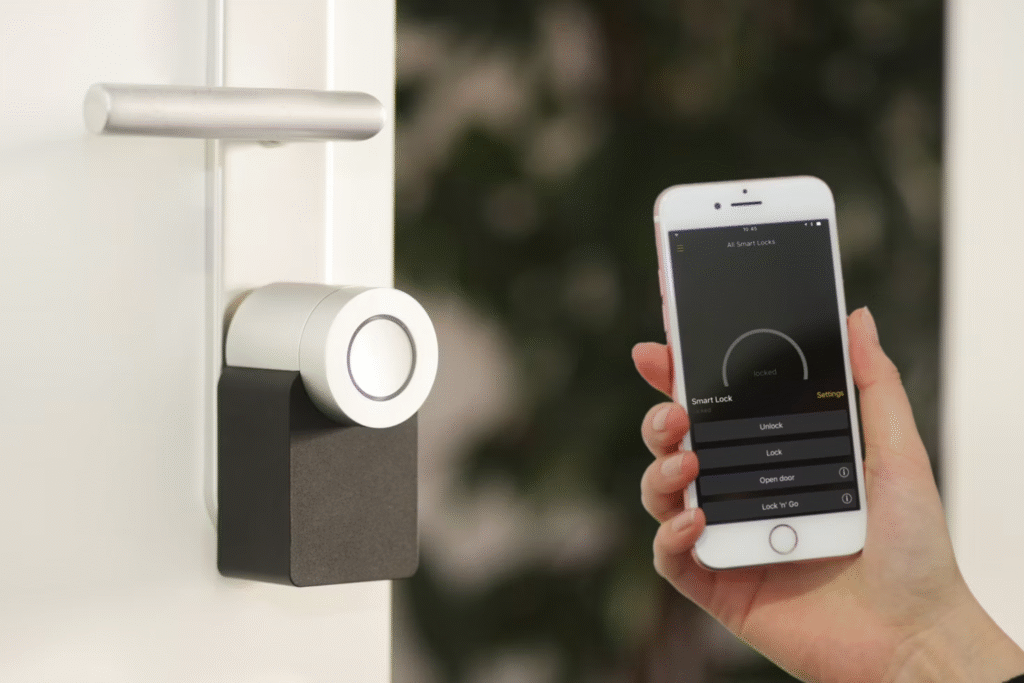
The biggest advantage of a smart home ecosystem is that different technologies can work together instead of operating independently.
Convenience
One of the simplest benefits is reducing the number of manual tasks you need to perform.
Instead of walking around the home switching off individual lights, closing curtains and adjusting other devices, a single scene can potentially handle several tasks at once.
Personalised Automation
A smart home can be configured around your routines.
You might have different scenes for:
- Waking up
- Leaving home
- Returning home
- Working from home
- Watching television
- Going to bed
This allows the technology to adapt to your lifestyle instead of requiring you to constantly adapt to the technology.
Centralised Control
Managing multiple devices through a compatible platform can be easier than using several unrelated systems.
Centralised control can also make it easier to understand which devices are connected and how they interact.
Energy Management
Automation can help reduce unnecessary energy use.
For example, schedules and sensors can help prevent lights or other devices from being left on when they are not needed.
Smart air conditioning can also be incorporated into schedules and routines rather than being operated entirely manually.
Smart technology does not automatically guarantee lower energy bills, but thoughtful automation can help homeowners manage how and when devices operate.
Greater Comfort
A connected home can automate many small details that contribute to comfort.
Curtains can be adjusted automatically. Lighting can change according to the time of day. Air conditioning can be included in bedtime routines.
Individually, these changes may seem minor. Together, they can create a more seamless living environment.
Scalability
You do not necessarily need to automate your entire home at once.
You can start with one room or one type of device and expand the system over time.
For example:
- Step 1: Smart lighting
- Step 2: Smart switches and sensors
- Step 3: Smart curtains
- Step 4: Air conditioning and appliances
- Step 5: Whole-home automation
Starting gradually can also give you time to understand which features are genuinely useful for your household.
Smart Home Ecosystem Examples
The easiest way to understand the value of an ecosystem is to look at how different devices can work together.
Example 1: Coming Home
Imagine arriving home after work.
Instead of manually switching everything on, an arrival routine could activate selected devices.
Depending on your setup, this could include:
- Turning on entrance lights
- Opening selected curtains
- Activating air conditioning
- Switching on selected appliances
The exact automation depends on the devices, sensors, and system installed in your home.
Example 2: Movie Night
You are ready to watch a movie.
Instead of adjusting several devices individually, you activate a “Movie Night” scene.
The system could:
- Close the curtains
- Dim the main lights
- Turn on accent lighting
- Adjust other connected devices
One command can replace several individual actions.
Example 3: Good Night
Before going to bed, you activate “Good Night“
The system could:
- Turn off selected lights
- Close the curtains
- Adjust air conditioning
- Switch off selected appliances
- Activate other security-related routines where supported
The idea is not to automate everything unnecessarily. It is to automate the tasks that make sense for your routine.
Example 4: Leaving Home
When you leave, an “Away” scene could help prepare the home.
Depending on your setup, it could:
- Turn off lights
- Switch off selected appliances
- Adjust curtains
- Turn off air conditioning
- Activate supported security functions
This can be particularly useful when several small tasks would otherwise be easy to forget.
How to Choose the Right Smart Home Ecosystem
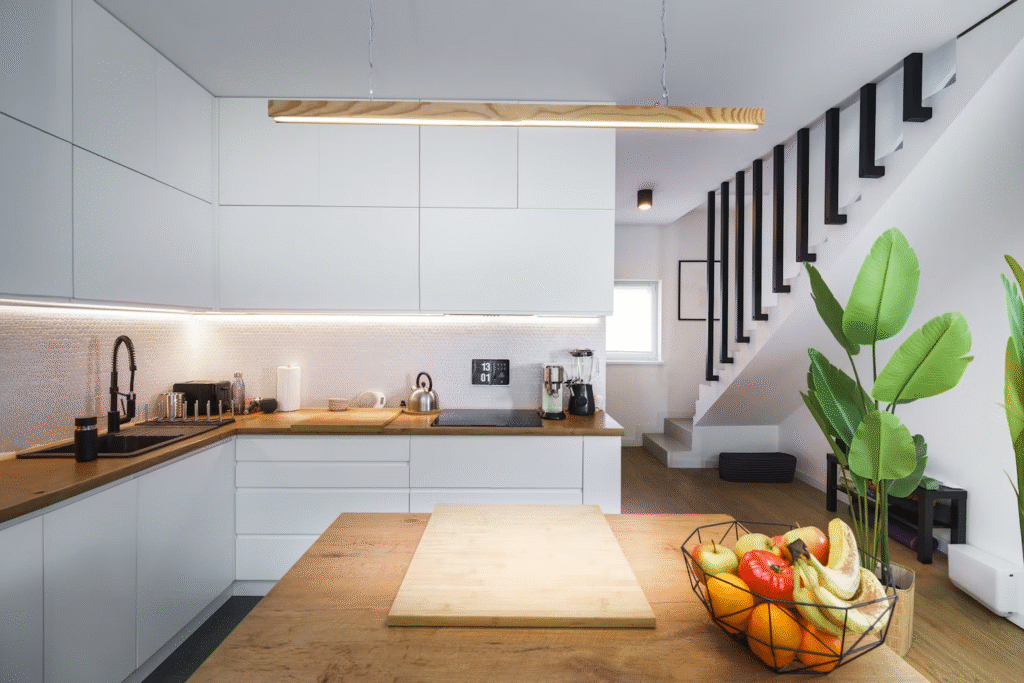
Choosing a smart home ecosystem should happen before buying a large number of devices.
A common mistake is to purchase individual products first and only think about compatibility later.
Consider Device Compatibility
Not every smart device works with every ecosystem.
Before buying a product, check:
- Which platforms it supports
- Which communication technology it uses
- Whether it requires a hub
- Whether it can participate in automation scenes
- Whether it can communicate with your existing devices
Planning compatibility from the beginning can prevent unnecessary replacements later.
Consider Your Preferred Control Method
Think about how you actually want to use your home.
Do you prefer:
- Smartphone control?
- Voice commands?
- Physical switches?
- Touch panels?
- Automated scenes?
- A combination of these?
There is no single control method that is right for every household.
Consider Connectivity
Smart devices can communicate using different technologies, including Wi-Fi, Bluetooth, and Zigbee.
Each technology has different characteristics and use cases.
The important thing is to select a system that is appropriate for the devices you want to connect and the way your home is configured.
Consider Future Expansion
Your needs may change over time.
A system that works for two smart lights today may eventually need to accommodate:
- More rooms
- Smart curtains
- Sensors
- Air conditioning
- Fans
- Appliances
- Security devices
Choosing a scalable ecosystem can make future expansion easier.
Consider Installation and Support
A smart home becomes more complicated as more systems are connected.
Professional planning and installation can be particularly useful when you are integrating multiple types of devices or carrying out smart home work alongside a renovation.
A professional installer can help with product selection, compatibility, installation, configuration, and automation.
Building a Smart Home Ecosystem in Singapore
Different types of homes can benefit from different smart home approaches.
Smart Home Ecosystems for HDB Flats
For HDB homeowners, a smart home can start with practical upgrades such as:
- Smart lighting
- Smart switches
- Smart curtains
- Sensors
- Air conditioning control
Wireless solutions can also be useful where homeowners want to minimise extensive changes to the existing home.
Smart Home Ecosystems for Condominiums
Condominium homeowners may choose to integrate multiple rooms into one system.
For example, the living room could combine lighting, curtains and entertainment controls, while bedrooms could incorporate lighting, curtains and air conditioning automation.
Smart Home Ecosystems for Landed Homes
Larger homes can benefit from more extensive automation.
This could include multiple floors, larger numbers of sensors, more lighting zones, motorised curtains and centralised control.
The key is to plan the system around the property rather than simply adding devices room by room.
How Much Does a Smart Home Ecosystem Cost in Singapore?
There is no single price for a smart home ecosystem because every installation is different.
The total cost can depend on:
- Number of rooms
- Number of devices
- Type of smart home platform
- Smart switches and lighting
- Sensors
- Smart curtains
- Air conditioning integration
- Appliances
- Security devices
- Hub or gateway requirements
- Installation requirements
- Level of automation
A basic smart home setup will naturally cost less than a comprehensive whole-home automation system.
For homeowners working with a specific budget, a gradual approach can be useful. Start with the functions that will make the biggest difference to your daily routine, then expand the system over time.
You can also explore smart home bundle deals when planning your setup.
DIY vs Professional Smart Home Installation
Some smart home products are designed for straightforward DIY installation. For example, homeowners may be comfortable setting up an individual smart bulb or plug.
However, the situation becomes more complicated when multiple systems need to work together.
| DIY Smart Home | Professional Smart Home System |
| Good for individual devices | Suitable for integrated systems |
| Homeowner manages setup | Installer handles configuration |
| Compatibility is your responsibility | System planned for compatibility |
| May involve multiple apps | Can be designed around centralised control |
| Troubleshooting is DIY | Professional support available |
| Easier to start small | Better suited to complex automation |
Professional installation can be particularly useful during a renovation, when electrical wiring, switches, lighting, curtains and other systems may need to be considered together.
The goal should be to design the system before installation rather than trying to make unrelated devices work together afterwards.
How to Build a Smart Home Ecosystem Step by Step
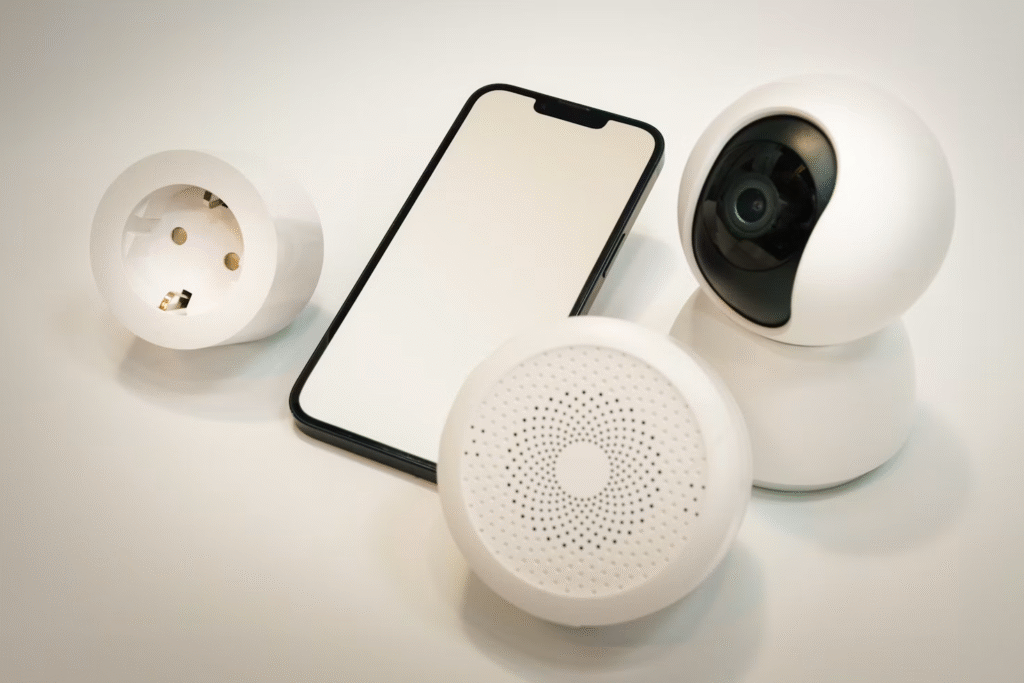
If you are starting from scratch, you do not need to automate your entire home immediately.
Step 1: Identify Your Priorities
Start by asking what you actually want your smart home to improve.
Is it:
- Convenience?
- Lighting control?
- Energy management?
- Security?
- Comfort?
- Entertainment?
- Accessibility?
Step 2: Choose Where to Start
Pick one or two rooms where automation will have the biggest impact.
Common starting points include:
- Living room
- Bedroom
- Kitchen
- Entrance
Step 3: Choose Your Ecosystem
Decide which platform, hub, or gateway will form the foundation of your system.
Consider compatibility, control methods, and future expansion.
Step 4: Select Compatible Devices
Once the ecosystem is established, select devices that can work with it.
This is where planning becomes important.
Instead of asking:
“What is the cheapest smart device I can buy?”
Ask:
“Will this device work with the system I want to build?”
Step 5: Plan Your Automation Scenes
Think about your daily routines.
For example:
- Good Morning
- Leaving Home
- Coming Home
- Movie Night
- Dinner
- Good Night
Step 6: Install and Configure the System
Once the products are selected, install and configure the devices.
For more complex systems, professional installation can help ensure that devices communicate correctly and automation routines work as intended.
Step 7: Expand Over Time
Once your first setup is working well, you can add additional rooms and devices.
This gradual approach allows you to build your smart home around your actual needs rather than buying everything at once.
Common Smart Home Ecosystem Mistakes to Avoid
Buying Devices Without Checking Compatibility
A device can be excellent on its own but unsuitable for your ecosystem.
Always check compatibility before purchasing.
Using Too Many Separate Apps
If every device requires a different application, the smart home can become more complicated rather than less.
Where possible, choose compatible products that can be managed through a central system.
Focusing on Gadgets Instead of Problems
It is easy to become distracted by new smart home products.
Instead, start with the problem you want to solve.
For example:
“I want my bedroom to be easier to prepare for sleep.“
That could lead to a combination of dimmable lighting, automated curtains, and an air conditioning routine.
Over-Automating the Home
Not everything needs to be automated.
Some functions are better left under manual control.
Good automation should make your life easier, not make your home difficult to understand.
Ignoring Physical Controls
Smart technology does not mean you have to stop using physical switches.
A good system should accommodate the way people actually use their homes.
Not Planning for Future Expansion
If you know you eventually want smart curtains, sensors, appliances, or other devices, consider them when choosing your initial ecosystem.
Planning ahead can prevent compatibility problems later.
Frequently Asked Questions About Smart Home Ecosystems
What is a smart home ecosystem?
A smart home ecosystem is a connected system that allows compatible smart devices, sensors, controls, and automation features to work together.
What is the difference between a smart home and a smart home ecosystem?
A smart home can refer to a home containing individual smart devices. A smart home ecosystem focuses on connecting those devices so they can communicate and work together.
Do all smart home devices work together?
No. Compatibility depends on the device, platform, communication technology, and ecosystem. Always check compatibility before purchasing devices.
Do I need a smart home hub?
Not necessarily. Some smart devices can connect directly to Wi-Fi or another platform. However, a hub or gateway can be useful when building a larger ecosystem or connecting devices that use technologies such as Zigbee.
Can I build a smart home ecosystem gradually?
Yes. Starting with one room or one category, such as smart lighting, can be a practical way to begin. You can then expand into curtains, sensors, air conditioning, appliances and other systems.
Can smart curtains, lighting and appliances work together?
They can, provided the devices and smart home ecosystem support the required integration. This allows you to create scenes where multiple devices respond to one command or trigger.
Can I control my smart home from my phone?
Many smart home systems support smartphone control. Depending on the ecosystem, you may also have options such as voice commands, physical switches, and automated routines.
Can I use Google, Alexa or other voice assistants?
Voice assistant compatibility depends on the devices and ecosystem you choose. It is important to check compatibility before purchasing your smart home products.
How much does a smart home ecosystem cost in Singapore?
The cost depends on the size and complexity of the system. Factors include the number of rooms, devices, sensors, curtains, appliances, hubs, and installation requirements.
Is professional smart home installation necessary?
Not for every individual smart device. However, professional installation can be beneficial when multiple systems need to work together, particularly for larger homes, renovation projects and whole-home automation.
Can a smart home ecosystem be installed after renovation?
Yes. Many smart home solutions can be added to existing homes. However, the options available may depend on your existing wiring, switches, appliances and other infrastructure.
Build a Smart Home Ecosystem Around the Way You Live
The best smart home is not necessarily the one with the most devices.
It is the one where the right devices work together to make everyday life easier.
Smart lighting, curtains, switches, sensors, air conditioning, and appliances can each provide useful functions on their own. When they are planned as part of a connected ecosystem, however, they can work together through automated scenes and routines.
Whether you are starting with a single room or planning a whole-home automation system, the most important step is to consider how you want your home to work, not simply which gadgets you want to buy.
AT Smart Home can help you plan a connected smart home system around your property, lifestyle and requirements, from selecting compatible products to installation, configuration and automation.
Explore our smart home services or speak with AT Smart Home about creating a connected home in Singapore.
PARTNERS IN CREATING SMART LIVING SPACES
















See How We’ve Transformed Homes
Our satisfied clients reflect the quality of our work.
Their success stories speak for themselves – and yours could be next.
Say Hello To Smarter Living – Get in Touch
Why wait? Transform your home with ease. Our team is here to guide you from start to smart!