Lighting plays an important role in how a home looks, feels, and functions. With a smart lighting system, homeowners can go beyond simply switching lights on and off. Lights can be scheduled, dimmed, adjusted, automated, and integrated with other smart home devices to suit different routines and activities.
Whether you live in an HDB flat, condominium or landed property, smart lighting can make everyday lighting more convenient and personalised. From automatically turning on hallway lights at night to creating a relaxing atmosphere for movie night, there are many ways smart lighting can become part of your daily routine.
AT Smart Home offers smart lighting solutions designed to integrate with a wider smart home system, giving homeowners greater control over lighting, automation and ambience.
In this guide, we explore how smart lighting systems work, their benefits, common applications, costs and what to consider when choosing a solution for your home.
What Is a Smart Lighting System?
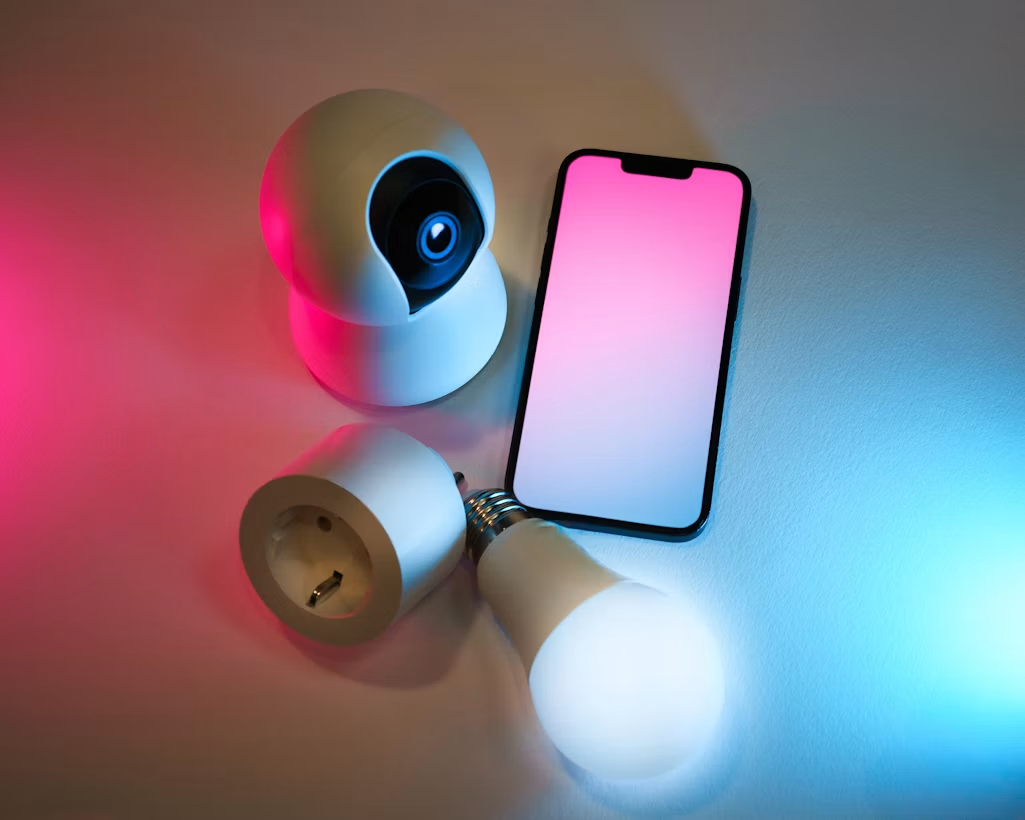
A smart lighting system is a connected lighting setup that allows you to control and automate your home’s lights using devices such as smartphones, smart switches, voice assistants, sensors, and smart home hubs.
Unlike conventional lighting, which generally relies on a physical wall switch, smart lighting can provide additional controls and automation.
Depending on the products you choose, you may be able to:
- Turn lights on and off remotely
- Adjust brightness
- Change colour temperature
- Change lighting colours
- Set schedules
- Create lighting scenes
- Use motion detection
- Control lights by voice
- Automate lighting based on your daily routines
- Integrate lighting with other smart home devices
This means your lighting can respond to what you are doing rather than requiring you to manually adjust every light.
For example, you could create a “Good Night” scene that turns off the living room lights, dims the bedroom lights and leaves selected night lights on.
AT Smart Home describes smart lighting as lighting that can adapt to your routines, with features including remote control, scenes, automation, and integration with a wider smart home system.
How Does a Smart Lighting System Work?
A smart lighting system typically consists of several components working together. The exact setup depends on your home, existing electrical system, and the level of automation you want.
Smart Lighting Devices
The most visible part of the system is the lighting itself. Depending on your requirements, this could include:
- Smart light bulbs
- Smart LED lights
- Smart downlights
- Smart spotlights
- Smart track lights
- Smart light strips
- Smart switches
- Smart sensors
Some homeowners may only need a few smart bulbs, while others may want an integrated system covering most or all of the home’s lighting.
How Smart Lights Communicate
Smart lighting products can use different communication technologies, including Wi-Fi, Bluetooth, and Zigbee.
Wi-Fi-based lights can connect directly to your home network, while other systems may use a hub or gateway to connect multiple devices.
The right option depends on factors such as the number of devices, your existing smart home ecosystem, the size of your home, and how much automation you want.
The Role of a Smart Home Hub
A smart home hub or gateway can act as a central connection point for compatible devices.
Instead of managing each device independently, a hub-based system can allow different devices to communicate and work together. This can be particularly useful if you want your lighting to interact with smart curtains, switches, sensors, appliances, or other home automation systems.
What Can You Control With Smart Lighting?
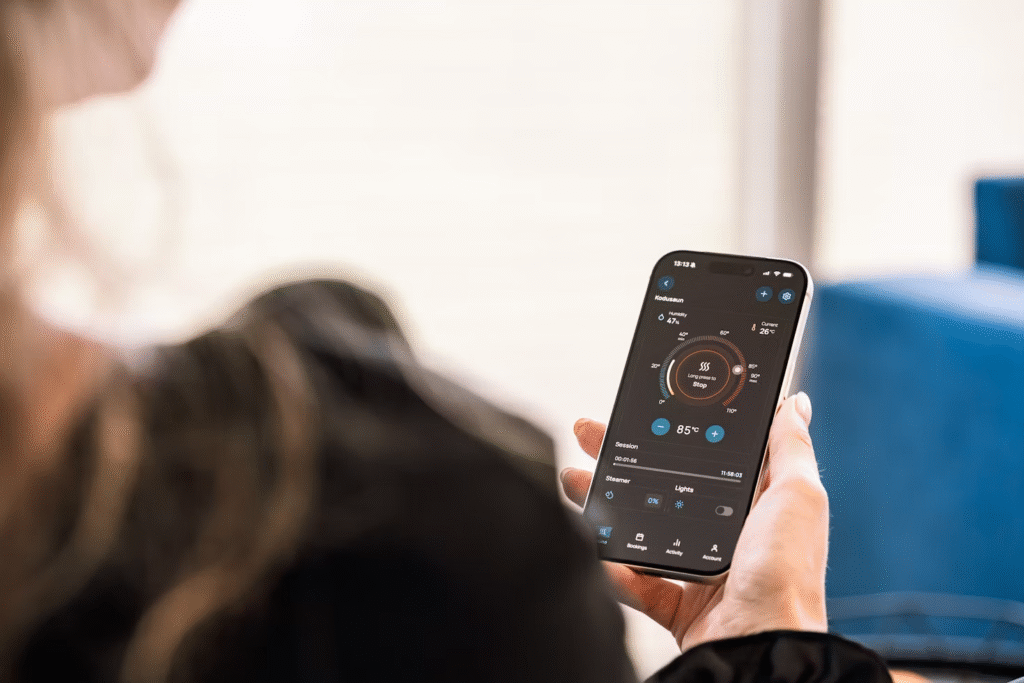
One of the biggest advantages of smart lighting is the range of control options available.
Turn Lights On and Off Remotely
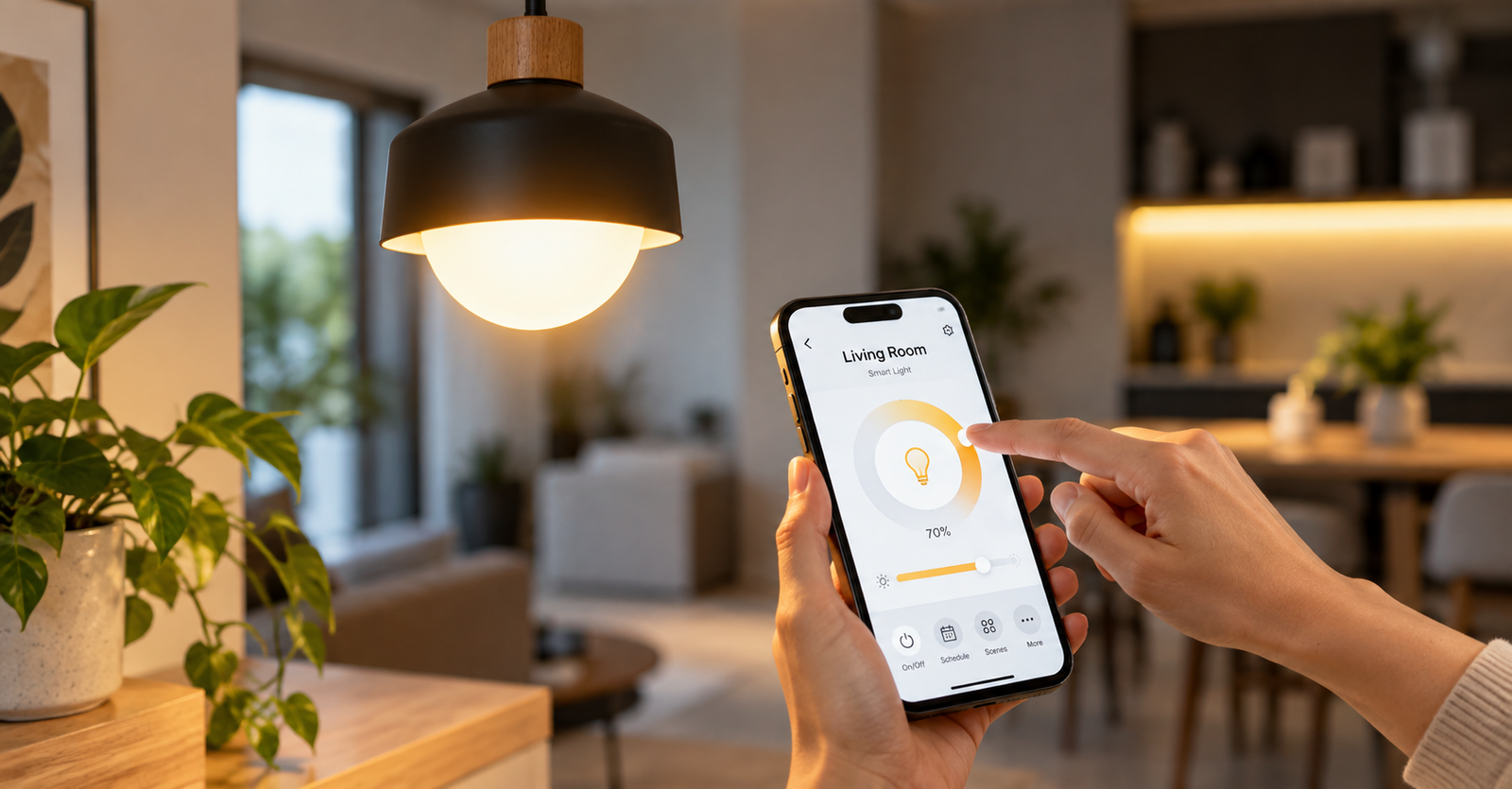
With compatible smart lighting, you can control your lights from your smartphone without being physically next to the switch.
This can be useful when you are:
- Away from home
- Arriving home late
- Already in bed
- Moving around the house
- Checking whether lights were left on
Remote access can also be useful when you are travelling and want to manage your home’s lighting while you are away.
Adjust Brightness
Dimmable smart lights allow you to change brightness according to the activity.
For example:
- Brighter lighting for cleaning
- Medium lighting for everyday activities
- Lower lighting for watching television
- Soft lighting for relaxing
Rather than having only one lighting level, you can create different settings for different situations.
Adjust Colour Temperature
Some smart lighting products allow you to adjust colour temperature from warmer to cooler tones.
Warmer lighting can create a comfortable atmosphere for relaxing or dining, while cooler lighting can provide a brighter environment for working or concentrating.
AT Smart Home’s smart lighting solutions include colour-temperature adjustment and dimmable settings as part of their available smart lighting features.
Change Lighting Colours
Compatible RGB or RGBW lighting can provide additional colour options.
Colour-changing lighting can be useful for:
- Gaming rooms
- Entertainment areas
- Parties
- Decorative lighting
- Children’s rooms
- Special occasions
However, colour-changing lights are not necessary for every room. For many homeowners, adjustable brightness and colour temperature may be more practical for everyday use.
Create Lighting Scenes
Scenes allow you to control multiple lights or devices with one command.
For example, a “Movie Night” scene could:
- Dim the living room lights
- Turn off unnecessary lights
- Close the curtains
- Activate selected entertainment devices
A “Good Night” scene could switch off selected areas while keeping essential night lighting on.
This is where smart lighting becomes particularly useful as part of a wider smart home system.
What Are the Benefits of a Smart Lighting System?
1. Greater Convenience
Instead of manually controlling individual lights, you can control multiple lights from a smartphone, smart switch or voice assistant.
You can also automate lighting according to schedules, sensors or scenes.
2. Personalised Ambience
Different activities require different lighting.
Smart lighting allows you to create settings for:
- Working
- Dining
- Watching television
- Reading
- Relaxing
- Entertaining guests
- Sleeping
AT Smart Home highlights personalised ambience as one of the key advantages of smart lighting, allowing homeowners to set different lighting environments for work, relaxation and dining.
3. Potential Energy Savings
Smart lighting can help reduce unnecessary electricity usage through automation.
For example, motion sensors can turn lights on when someone enters a room and switch them off when the room is no longer occupied.
Schedules can also prevent lights from being left on unnecessarily.
Smart lighting does not automatically guarantee lower electricity bills, but using LED lighting together with sensible automation can help reduce unnecessary usage.
4. Improved Home Security
Lighting can also form part of a home’s security strategy.
For example, you can schedule selected lights to turn on and off while you are away. This can make the home appear occupied rather than remaining dark for an extended period.
AT Smart Home lists timed lighting while homeowners are away as one of the potential smart lighting applications for improving home security.
5. Easier Accessibility
Smart lighting can be particularly convenient for people who may find it difficult to reach physical switches.
Voice control, motion sensors, and automated schedules can reduce the need to manually operate lights throughout the day.
6. Integration With Your Smart Home
Perhaps the biggest advantage is the ability to connect lighting with other parts of your home.
For example, your lighting can work alongside:
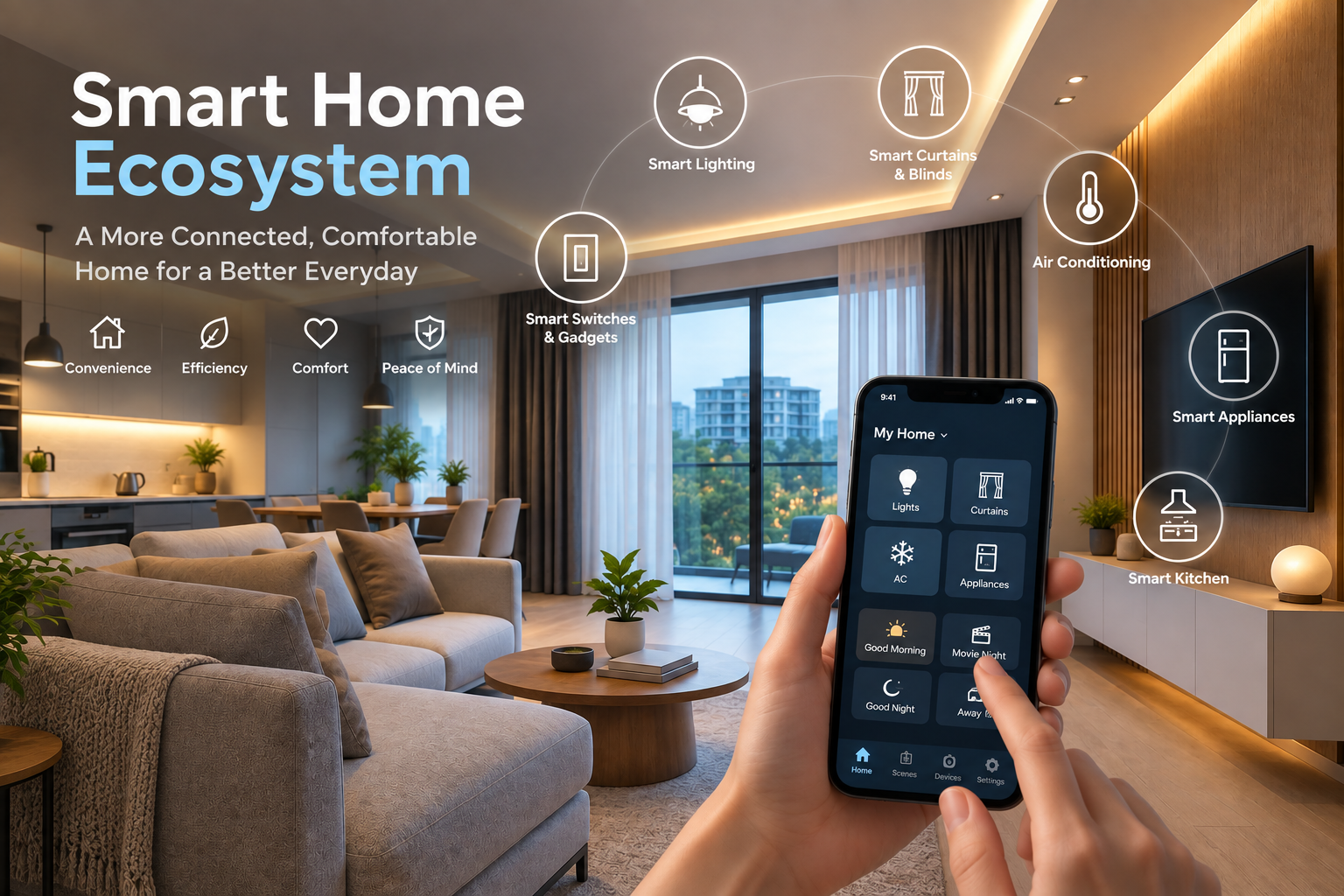
- Smart curtains and blinds
- Smart switches
- Motion sensors
- Air-conditioning
- Security devices
- Entertainment systems
- Smart appliances
This creates a more cohesive smart home rather than a collection of disconnected devices.
Smart Lighting Ideas for Different Rooms
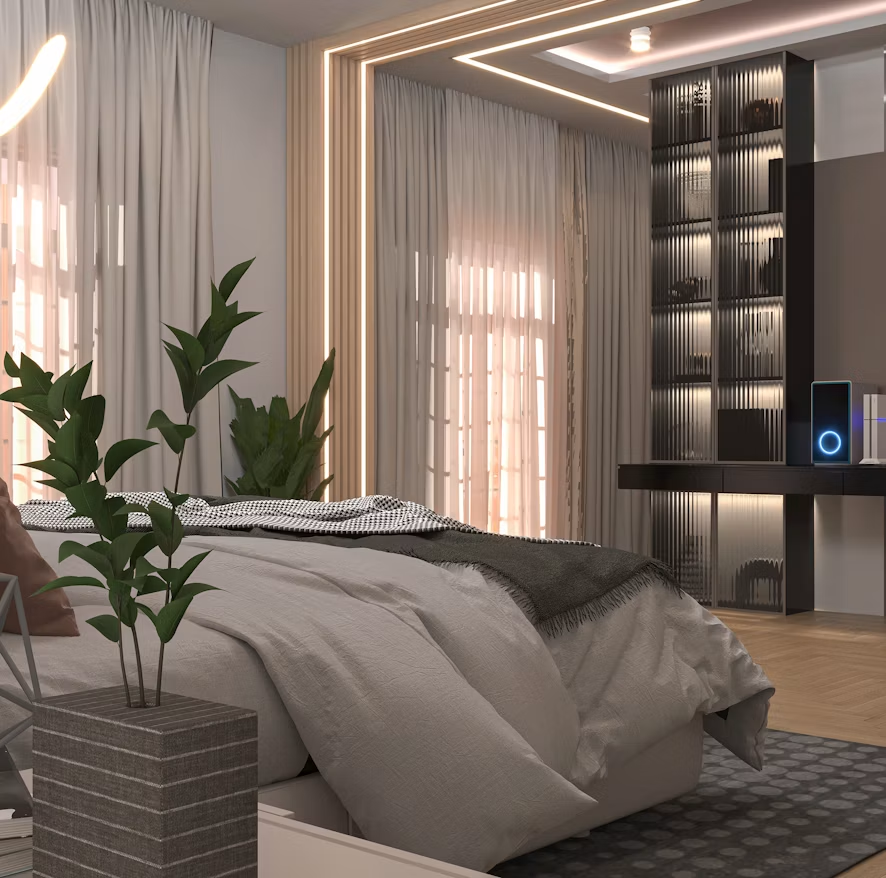
Smart lighting does not have to look or work the same throughout the entire home. Each room can have different lighting requirements.
Living Room
The living room is often one of the best places to introduce smart lighting.
You could create different scenes for:
- Everyday use
- Watching television
- Movie nights
- Entertaining guests
- Reading
- Relaxing
For example, a movie scene could dim the main lights while leaving a small amount of ambient lighting.
Bedroom
In the bedroom, smart lighting can focus on comfort and routine.
Possible automations include:
- Scheduling lights based on your routine
- Gradually brightening lights in the morning
- Dimming lights before bedtime
- Turning off selected lights when you go to bed
- Keeping a low-level night light on
Dining Room
Dining areas often benefit from warmer, softer lighting.
You could create a dedicated dinner scene that adjusts the lighting to create a more comfortable atmosphere, while a brighter setting can be used when cleaning or performing other tasks.
Kitchen
The kitchen generally requires brighter task lighting.
Smart lighting can be used for:
- Main ceiling lights
- Under-cabinet lighting
- Pantry lighting
- Motion-activated lighting
- Task lighting
Motion sensors can also be useful in areas where you frequently enter with your hands occupied.
Bathroom
Smart lighting can provide practical automation in bathrooms.
For example, motion detection can activate lighting when someone enters, while a lower brightness setting can be used during the night.
Study or Home Office
A home office may benefit from brighter, more focused lighting during working hours.
You could create a “Work” scene that activates selected lights at a suitable brightness and colour temperature, then automatically switch to a softer setting after working hours.
Gaming Room
Gaming rooms are an ideal environment for RGB lighting and customised scenes.
You can use colour-changing lights to create a more immersive environment or create different lighting scenes for gaming, watching videos, and relaxing.
Smart Bulbs vs Smart Switches: Which Is Better?
Two common ways to introduce smart lighting are smart bulbs and smart switches.
| Feature | Smart Bulbs | Smart Switches |
| Installation | Installation | May require electrical installation |
| Existing light fixtures | Usually compatible | Works with compatible fixtures |
| Colour changing | Available on selected models | Usually not |
| Dimming | Depending on model | Depending on switch and light |
| Whole-circuit control | Limited | More suitable |
| Best suited for | Individual lights and simple upgrades | More integrated room control |
Smart Bulbs
Smart bulbs are often a straightforward way to start experimenting with smart lighting.
They can be useful if you want to control individual lights without changing an entire lighting circuit.
Smart Switches
Smart switches can provide a more integrated solution, particularly when you want to control existing lighting circuits.
However, installation requirements depend on your home’s electrical wiring and the type of switch and lighting fixtures being used.
There is no single option that is best for every home. The right solution depends on your existing setup, renovation plans, and the type of automation you want.
Smart Lighting for HDB, Condo and Landed Homes
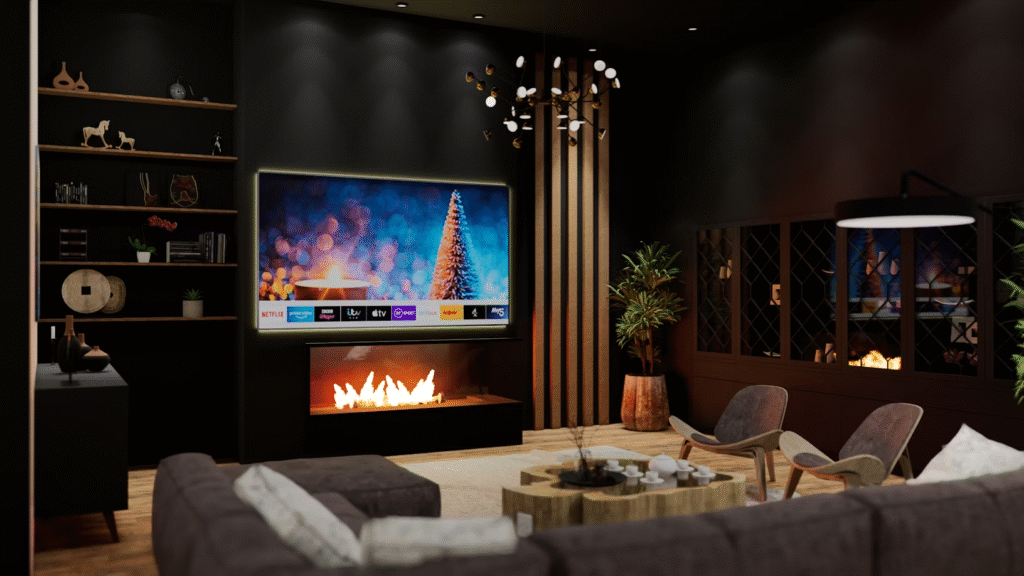
Smart lighting can be adapted to different types of Singapore homes.
Smart Lighting for HDB Flats
For existing HDB homes, homeowners may want to minimise major renovation work.
Smart bulbs, compatible smart switches and wireless smart devices can provide options for upgrading existing lighting.
Smart Lighting for Condominiums
Larger homes may benefit from lighting zones and scenes.
For example, you could create separate controls for:
- Living room
- Dining area
- Bedrooms
- Study
- Balcony
Lighting can then be integrated with curtains, air-conditioning and other smart home devices.
Smart Lighting for Landed Homes
Landed properties may have multiple floors and more lighting zones.
A centralised smart home system can make it easier to manage lighting throughout the property.
Motion sensors, scheduled lighting and automated scenes can also be useful in areas such as staircases, corridors and outdoor spaces.
Smart Lighting Automation Examples
The real value of a smart lighting system comes from automation.
Here are some examples of how lighting can work as part of a daily routine.
Good Morning
The real value of a smart lighting system comes from automation.
Here are some examples of how lighting can work as part of a daily routine.
Coming Home
When you arrive home, selected lights could turn on automatically.
For example, hallway and living room lights could activate while other areas remain switched off.
Movie Night
With one command, your home could:
- Dim the living room lights
- Close the curtains
- Activate entertainment equipment
- Leave low-level ambient lighting on
Dinner
A dinner scene could adjust the dining area to a warmer, more comfortable lighting level.
Good Night
A single command could turn off the main lights throughout the home while keeping selected bedroom or hallway lights on.
Away Mode
An away mode could schedule selected lights to turn on and off at different times while you are travelling.
This can also complement other smart home security features.
Smart Lighting Features to Look For
If you are considering a smart lighting system, look beyond whether a product can simply be controlled from an app.
Consider whether you need:
- App control
- Voice control
- Dimming
- Colour temperature adjustment
- RGB or RGBW lighting
- Scheduling
- Motion detection
- Scene creation
- Room and zone control
- Remote access
- Smart home integration
- Hub or gateway compatibility
- Suitable communication protocols
- Reliable installation and support
The most important features will depend on your lifestyle. A homeowner who simply wants remote control may not need the same setup as someone building a fully automated home.
How Much Does a Smart Lighting System Cost in Singapore?

The cost of a smart lighting system varies depending on the size and complexity of the installation.
Factors that can affect the total cost include:
- Number of lights
- Type of lighting
- Smart bulbs or smart fixtures
- Smart switches
- Sensors
- Smart hubs or gateways
- Electrical work
- Installation
- Number of rooms
- Lighting zones
- Level of automation
- Integration with other smart home devices
A simple setup involving a few smart lights can cost significantly less than a whole-home system with multiple switches, sensors and automated scenes.
AT Smart Home states that a basic smart home setup involving some lighting and appliances with app, voice and automation control typically costs approximately S$2,000. However, this refers to a broader basic smart home setup rather than a fixed price for every smart lighting installation.
For an accurate estimate, it is better to assess the home and determine which lighting products, controls and automation features are actually required.
Can Smart Lighting Be Installed in an Existing Home?
Yes. You do not necessarily need to renovate your entire home before installing smart lighting.
Depending on the existing electrical setup, homeowners may be able to introduce smart bulbs, smart switches, sensors or other wireless solutions with relatively limited changes.
However, the suitability of each solution depends on the home’s wiring, existing fixtures and the products being installed.
If you are already planning a renovation, it can be helpful to consider smart lighting early in the process. This allows your lighting layout, switches, wiring and automation zones to be planned together.
AT Smart Home also states that smart home systems can be integrated after renovations have been completed, although minor adjustments may be required depending on site conditions.
Should You Install Smart Lighting During Renovation?
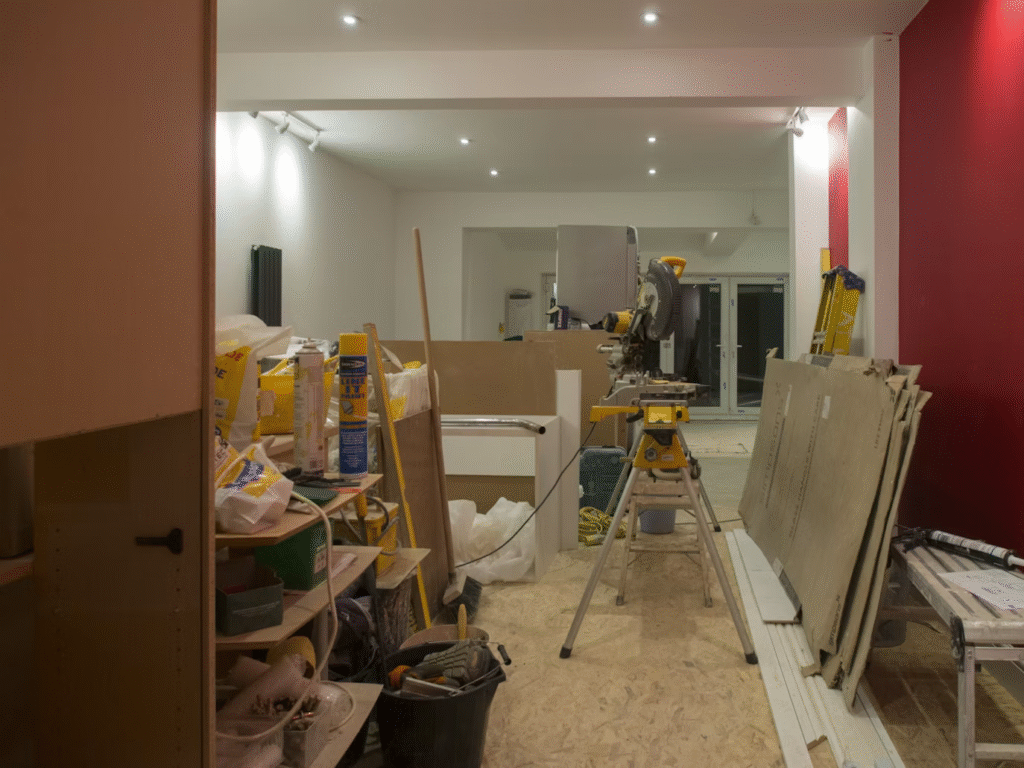
Renovation is an excellent opportunity to plan your smart lighting system from the beginning.
Before electrical work is completed, you can consider:
- Lighting locations
- Switch positions
- Lighting circuits
- Ceiling lights
- Track lighting
- Sensors
- Smart switches
- Lighting zones
- Hub or gateway placement
- Future smart home expansion
Planning these elements early can help avoid unnecessary modifications later.
However, homeowners with completed homes do not necessarily need to wait for their next renovation. There are also retrofit-friendly smart lighting options that can be considered depending on the existing setup.
Common Mistakes When Choosing Smart Lighting
Buying Without Checking Compatibility
Not every smart bulb, switch, hub, and voice assistant works together. Always check compatibility before purchasing multiple devices.
Choosing Products Based Only on Price
The cheapest device may not always be the most suitable option, particularly if you want reliable automation and long-term integration.
Ignoring Existing Wiring
Smart switches and some lighting products have specific electrical requirements. Your existing wiring should be considered before installation.
Using Too Many Different Ecosystems
Mixing products from multiple ecosystems can make a smart home more complicated to manage.
Where possible, plan the overall ecosystem before purchasing individual devices.
Using Too Many Different Ecosystems
Mixing products from multiple ecosystems can make a smart home more complicated to manage.
Where possible, plan the overall ecosystem before purchasing individual devices.
Forgetting Physical Control
Even with a smart home, physical switches can remain useful.
A well-designed system should make it easy for household members to control lights whether they use an app, voice command, automation, or a physical switch.
Not Planning Lighting Zones
Think about which lights should work together.
For example, you may want separate zones for the living room, dining area, and kitchen rather than controlling all three areas as one group.
Focusing Only on Individual Lights
Smart lighting becomes much more useful when you think about routines and scenes rather than individual bulbs.
Instead of asking, “Can I control this light from my phone?”, consider:
“What should my home do automatically when I wake up, leave, arrive home, or go to bed?”
Common Mistakes When Choosing Smart Lighting
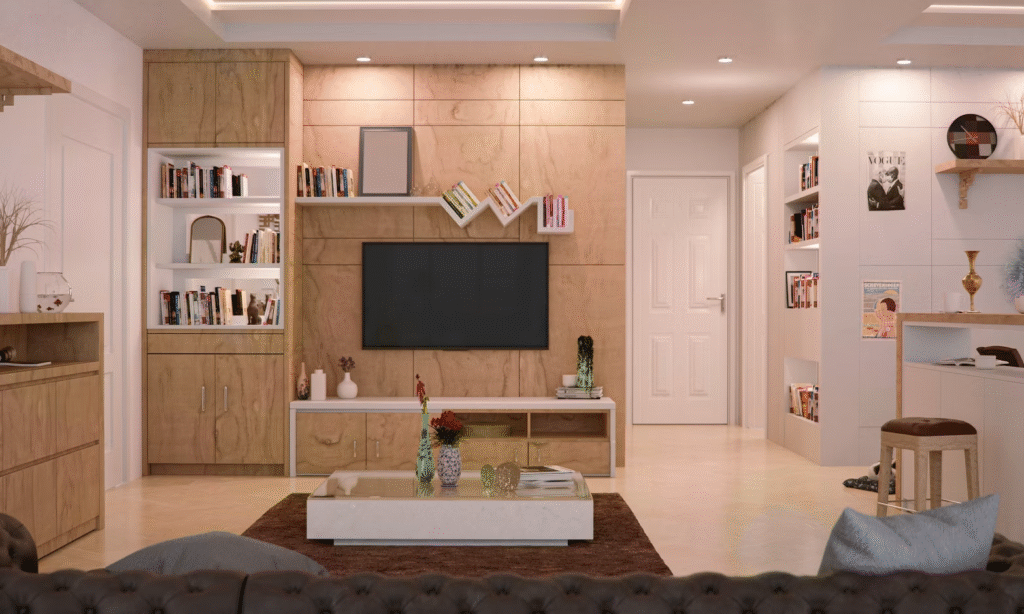
Choosing the right system starts with understanding how you want your home to operate.
Step 1: Identify Your Lighting Needs
Determine which rooms and lights you actually want to automate.
You do not necessarily need smart lighting everywhere from day one.
Step 2: Decide What You Want to Automate
Think beyond lighting.
Would you also like to automate:
- Curtains
- Air-conditioning
- Security
- Entertainment
- Appliances
This will influence which smart home ecosystem is most suitable.
Step 3: Check Compatibility
Consider your existing:
- Light fixtures
- Switches
- Wiring
- Wi-Fi network
- Smart home devices
- Voice assistant ecosystem
Step 4: Plan Your Scenes
Think about your daily routines.
Common scenes include:
- Good Morning
- Work
- Dinner
- Movie Night
- Relax
- Good Night
- Away
Step 5: Select the Right Products
Depending on your requirements, this could include smart bulbs, smart fixtures, smart switches, sensors, and a hub or gateway.
Step 6: Consider Professional Installation
For a small setup, homeowners may be comfortable installing certain smart bulbs themselves.
For larger systems involving electrical work, multiple rooms or whole-home automation, professional planning and installation can help ensure the system works properly as a whole.
Why Choose AT Smart Home for Smart Lighting?
A smart lighting system works best when the products, controls and automation are planned together.
AT Smart Home provides smart home solutions that can include lighting, switches, curtains, appliances, and other connected devices. The company positions itself as a one-stop smart home provider that can help configure, install, and set up devices while working with homeowners, interior designers, and contractors.
Tailored Smart Lighting Solutions
Every home has different requirements. A lighting system can be planned around your floor plan, lifestyle, existing electrical setup, and preferred level of automation.
A Range of Smart Lighting Products
AT Smart Home offers different smart lighting products, including smart bulbs and lighting fixtures, allowing homeowners to choose solutions based on their needs.
Smart Home Integration
Rather than treating lighting as a standalone feature, AT Smart Home can integrate lighting with other parts of your smart home system.
This can allow different devices to work together through automated scenes and routines.
Professional Installation and Setup
For more complex installations, professional configuration can help ensure that the lighting system, switches, sensors, and other smart home devices work together correctly.
Ongoing Support
AT Smart Home states that its support operates seven days a week, providing assistance when homeowners require help with their smart home system.
PARTNERS IN CREATING SMART LIVING SPACES
















See How We’ve Transformed Homes
Our satisfied clients reflect the quality of our work.
Their success stories speak for themselves – and yours could be next.
Frequently Asked Questions About Smart Lighting Systems
What is a smart lighting system?
A smart lighting system is a connected lighting setup that allows homeowners to control, automate and customise their lights using smartphones, smart switches, voice assistants, sensors or other smart home devices.
Are smart lights worth it?
Smart lights can be worthwhile if you value convenience, automation and personalised lighting. They can also be useful for creating lighting scenes, scheduling lights and integrating lighting with other smart home devices.
Do smart lights need Wi-Fi?
Not necessarily. Depending on the product, smart lighting can use Wi-Fi, Bluetooth, Zigbee or other communication technologies. Some systems may require a smart hub or gateway.
What is the difference between smart bulbs and smart switches?
Smart bulbs replace the light bulb itself with a connected bulb, while smart switches provide smart control over compatible lighting circuits. The better option depends on your existing lighting setup and the type of control you want.
Can smart lights be controlled by voice?
Yes, compatible smart lighting can be controlled using supported voice assistants. AT Smart Home highlights compatibility with platforms such as Google Home and Alexa.
Can smart lighting help reduce electricity usage?
Smart lighting can help reduce unnecessary electricity usage through features such as schedules, automation, and motion detection. However, actual savings depend on how the system is configured and used.
Can smart lighting be installed in an existing home?
Yes. Smart lighting can often be retrofitted into an existing home. The most suitable solution depends on your existing wiring, fixtures, and electrical setup.
How much does smart lighting cost in Singapore?
There is no single price because costs depend on the number and type of lights, smart switches, sensors, installation requirements, and level of automation. A simple setup can cost much less than a whole-home smart lighting system.
AT Smart Home states that a basic smart home setup with some lighting and appliances typically costs approximately S$2,000, although actual project costs vary.
Do I need a smart home hub?
Not always. Some smart lighting products connect directly to Wi-Fi or another network, while others use a hub or gateway. Whether you need one depends on the products and smart home ecosystem you choose.
Can smart lighting work with other smart home devices?
Yes. Smart lighting can potentially be integrated with devices such as smart curtains, switches, sensors, appliances, and entertainment systems, depending on compatibility.
Make Your Home Smarter With AT Smart Home
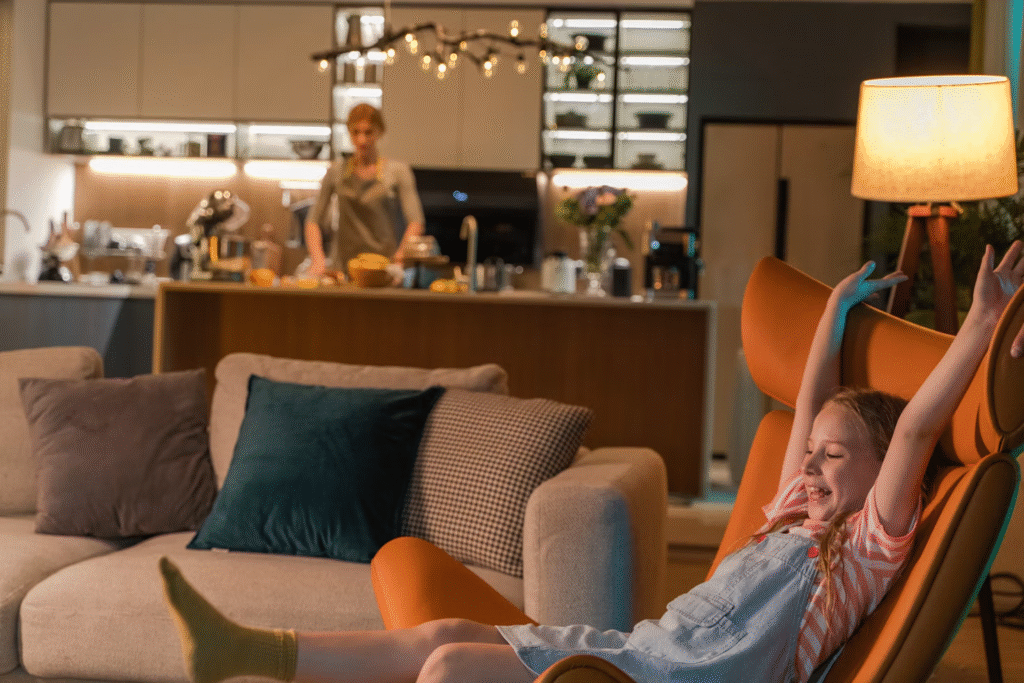
A smart lighting system can be as simple or as comprehensive as you need it to be.
You could start with a few smart lights for app and voice control, or create a fully integrated lighting system with automated scenes, motion sensors, and other smart home devices.
The key is to choose a system that fits your home, lifestyle and future plans rather than simply buying individual smart products without considering how they will work together.
If you are planning a smart lighting upgrade in Singapore, AT Smart Home can help you explore the right combination of lighting products, controls and automation for your home.
From lighting and smart switches to curtains, appliances and whole-home automation, a properly planned system can make your home more convenient, comfortable and responsive to your everyday routines.
Ready to explore smart lighting for your home? Contact AT Smart Home to discuss your requirements and create a tailored smart lighting solution.
Our Contact Details:
Call Us or WhatsApp Us at: +65 8779 3224
Email: Adrian@ATSmartHomeSG.com
Visit Us at: 65 Ubi Road 1, #01-90 Singapore 408729
Say Hello To Smarter Living – Get in Touch
Why wait? Transform your home with ease. Our team is here to guide you from start to smart!