When planning a smart home, lighting is often one of the first upgrades homeowners consider. After all, lighting affects how your home looks, feels, and functions every day.
Whether you’re renovating a new BTO flat, upgrading your condominium, or transforming a landed property into a connected smart home, choosing the right smart dimmer can significantly improve your living experience.
However, many homeowners discover that installing a smart dimmer isn’t as straightforward as it seems. Not every dimmer works with every light, and choosing the wrong combination can lead to flickering, buzzing, inconsistent brightness, or even lights that stop responding altogether.
In this guide, we’ll explain everything you need to know about smart dimmers, dimmable lights, compatibility, wiring requirements, and smart home integration so you can make informed decisions before your renovation begins.
What Is a Smart Dimmer?
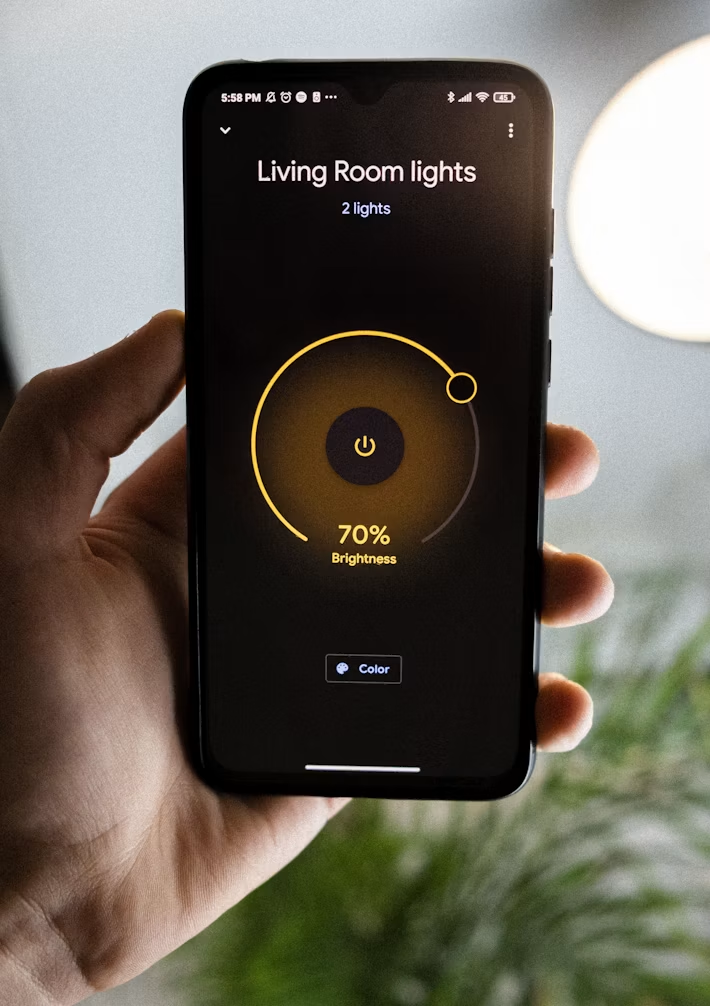
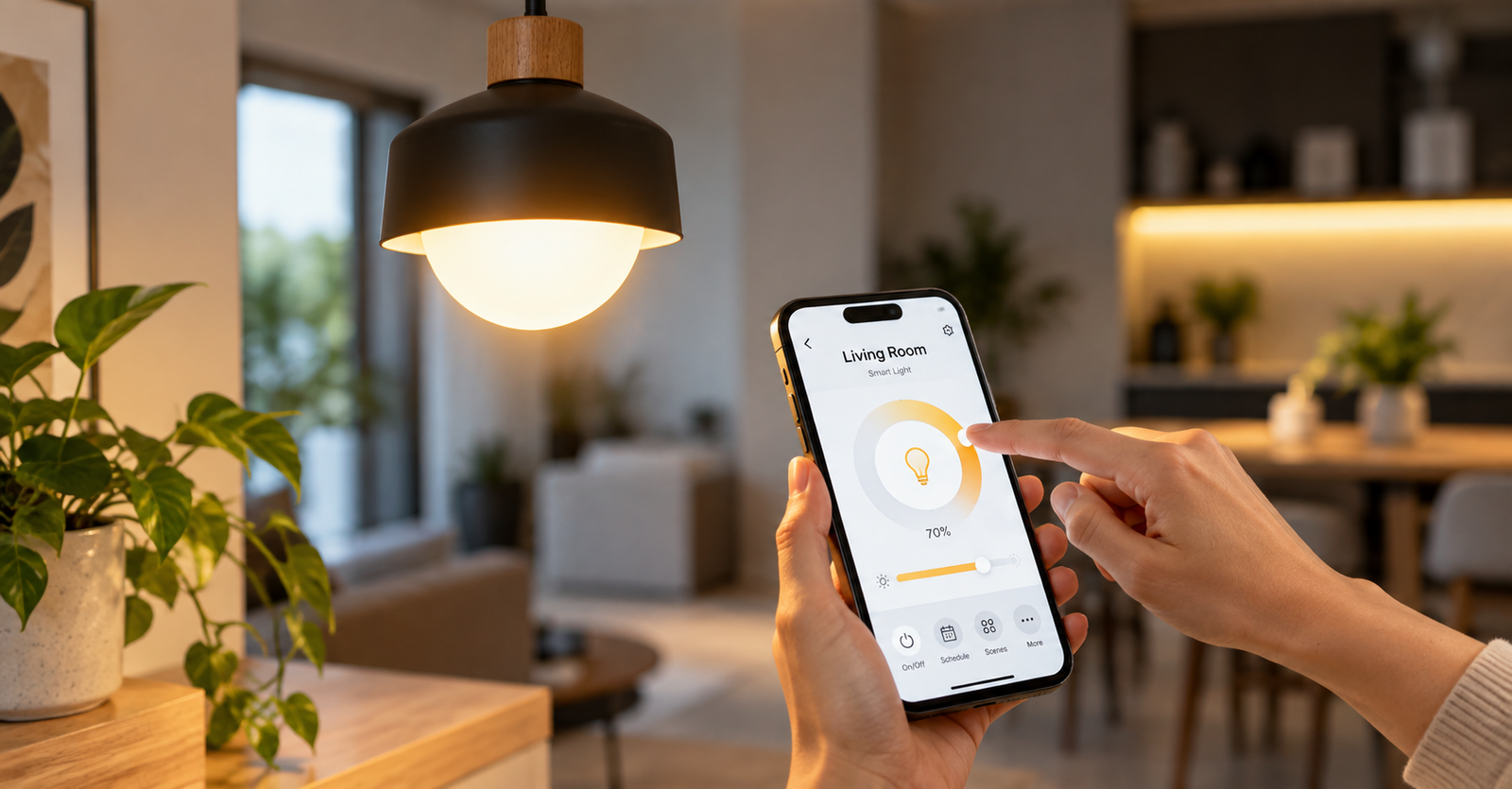
A smart dimmer is a lighting control device that allows you to adjust the brightness of your lights through a wall switch, smartphone app, voice assistant, or automation platform.
Unlike conventional dimmer switches, smart dimmers offer additional features such as:
- Remote control from anywhere
- Voice control through Google Assistant, Alexa, or Siri
- Scheduled lighting routines
- Smart scenes for different moods and activities
- Integration with other smart home devices
- Energy-saving lighting automation
Rather than simply turning lights on or off, smart dimmers give homeowners greater control over how lighting is used throughout the day.
Smart Dimmer vs Smart Switch vs Smart Bulb
One of the most common questions homeowners ask is whether they need a smart dimmer, smart switch, or smart bulb.
Although they may seem similar, they serve different purposes.
Smart Dimmer
A smart dimmer allows you to adjust the brightness of compatible lights while maintaining traditional wall switch functionality.
Ideal for:
- Living rooms
- Bedrooms
- Dining areas
- Home theatres
Smart Switch
A smart switch controls the power supply to lights but does not offer dimming functionality.
Ideal for:
- Bathrooms
- Utility rooms
- Kitchens
- Outdoor lighting
Smart Bulb
Smart bulbs contain built-in wireless controls and dimming functions.
Ideal for:
- Decorative lighting
- Accent lighting
- Colour-changing applications
For most homeowners, smart dimmers provide the best balance between convenience, functionality, and long-term value.
Why More Homeowners Are Choosing Smart Lighting
Smart lighting has quickly become one of the most requested smart home upgrades in Singapore.
Here’s why.
Better Ambience for Everyday Living
Different activities require different lighting environments.
Bright lighting may be perfect for working, studying, or cooking, while softer lighting can create a relaxing atmosphere for watching movies or winding down at night.
Smart dimmers make it easy to adjust lighting levels instantly.
Improved Energy Efficiency
Dimming compatible LED lights reduces power consumption, helping homeowners use energy more efficiently.
Greater Convenience
Forgot to turn off the lights before leaving home? Smart dimmers allow you to check and control your lighting remotely through your smartphone.
Seamless Smart Home Integration
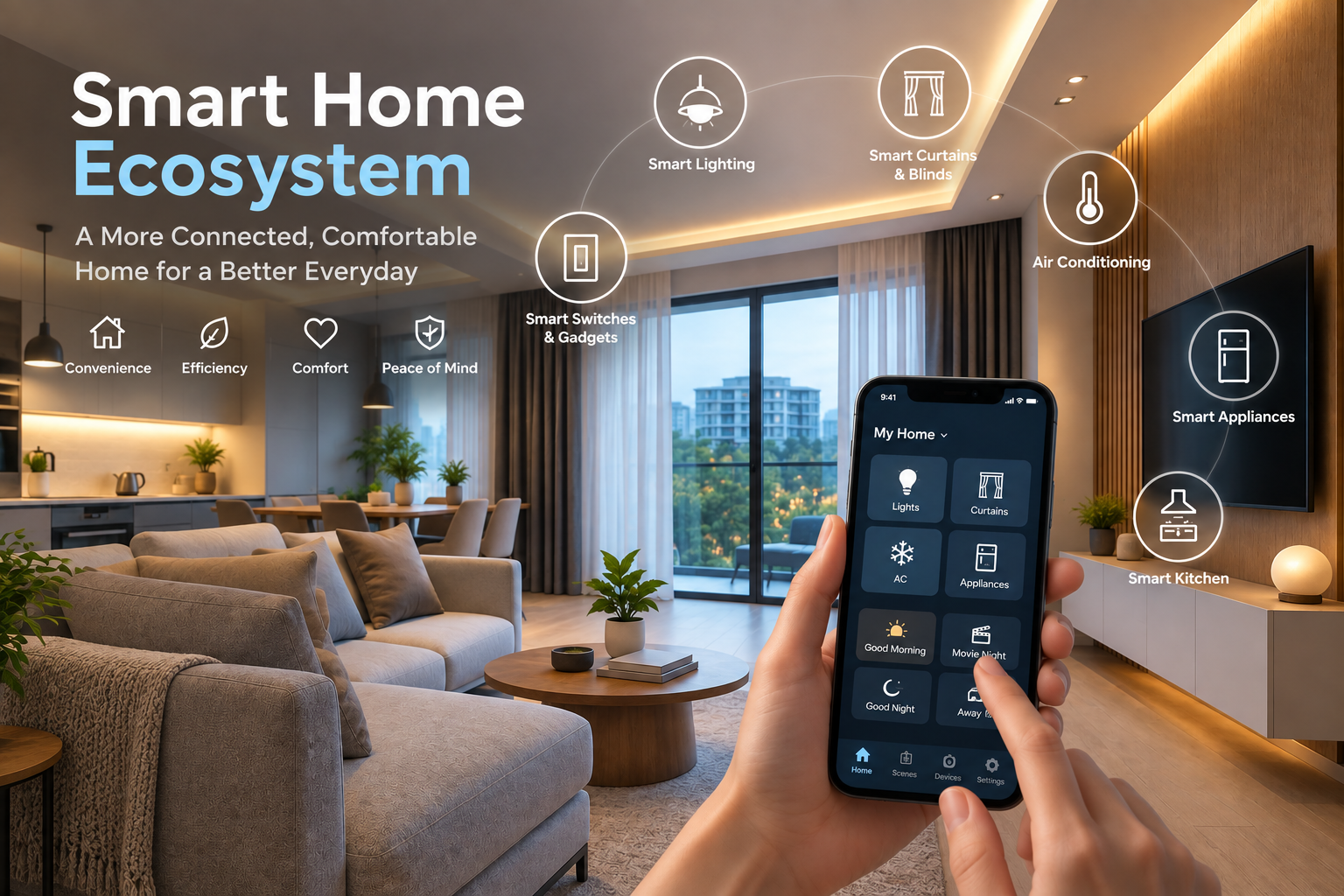
Smart dimmers can work together with smart curtains, smart sensors, and voice assistants to create a more connected living experience.
Why Renovation Is the Best Time to Install Smart Dimmers
Many homeowners only start thinking about smart home upgrades after moving in.
Unfortunately, this often means additional electrical work, rewiring, and unnecessary costs.
Installing smart dimmers during renovation offers several advantages:
- Easier wiring access
- Better lighting planning
- Cleaner installations
- More flexible smart home integration
- Lower installation costs
Planning ahead allows homeowners to create a lighting system that supports both current and future smart home needs.
Understanding Dimmable Lights
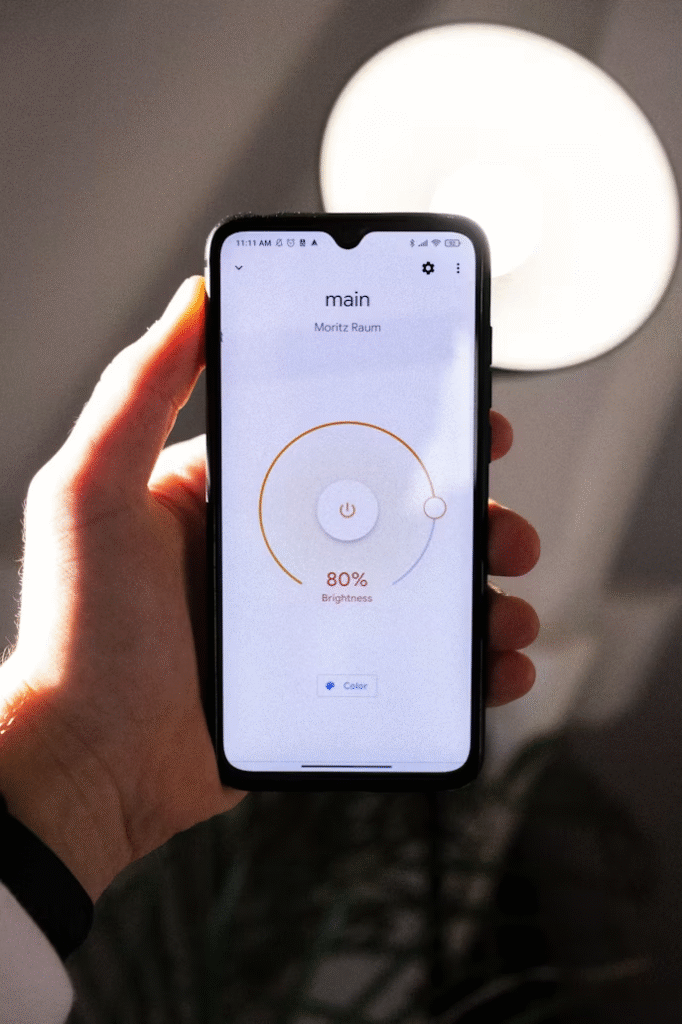
Before choosing a smart dimmer, it’s important to understand the type of lighting used in your home.
Not all lights are designed to be dimmed.
LED Downlights
One of the most common lighting choices in modern homes.
Many LED downlights support dimming, but compatibility varies between manufacturers.
Track Lights
Popular in contemporary interior designs, track lights often support dimming when paired with compatible drivers.
Cove Lighting
Frequently used in living rooms and bedrooms to create indirect ambient lighting.
Pendant Lights
Dining areas often feature pendant lights that can benefit greatly from dimming functionality.
Decorative Lighting
Feature walls, display cabinets, and shelving often use dimmable lighting to create visual interest and ambience.
Why Smart Dimmer Compatibility Matters
One of the biggest misconceptions about smart lighting is that any dimmer can work with any dimmable light.
In reality, compatibility plays a crucial role in overall performance.
When the dimmer and light are not properly matched, homeowners may experience:
- Flickering lights
- Buzzing sounds
- Limited dimming range
- Lights that cannot fully switch off
- Unstable performance
This is why lighting compatibility should always be confirmed before installation.
Understanding Different Dimming Technologies
Different lighting products use different dimming methods.
Knowing which one your lights require is essential.
Phase Cut Dimming
This is the most common dimming technology used in residential properties.
There are two main types:
Leading Edge Dimming
Traditionally used for older lighting technologies such as halogen lamps.
Trailing Edge Dimming
More commonly recommended for modern LED lighting due to smoother performance and improved compatibility.
0-10V Dimming
Typically found in premium residential projects and commercial environments.
Benefits include:
- Stable dimming
- Precise brightness control
- Wide dimming range
However, additional wiring is usually required.
PWM Dimming
Pulse Width Modulation (PWM) is often used for LED strips and specialised lighting systems.
It provides highly accurate dimming performance and smooth brightness adjustments.
DALI Dimming
DALI is commonly used in advanced lighting control systems and luxury developments.
It allows individual fixtures to be controlled through a central lighting network.
Zigbee, WiFi or Matter: Which Smart Dimmer Should You Choose?
The communication protocol used by your smart dimmer affects reliability, performance, and future scalability.
Zigbee Smart Dimmers
Zigbee is one of the most popular smart home technologies.
Benefits include:
- Reliable performance
- Fast response times
- Mesh networking capabilities
- Excellent scalability
For homeowners planning a complete smart home ecosystem, Zigbee is often the preferred option.
WiFi Smart Dimmers
WiFi dimmers connect directly to your home network.
Advantages include:
- No additional hub required
- Simple setup
- Easy smartphone control
However, large numbers of WiFi devices can place additional strain on your home network.
Matter-Compatible Smart Dimmers
Matter is an emerging smart home standard designed to improve compatibility between different brands and ecosystems.
Benefits include:
- Future-proof connectivity
- Cross-platform compatibility
- Improved interoperability
As adoption grows, Matter is expected to become increasingly important in smart home planning.
Smart Lighting Ideas for Different Rooms

Smart dimmers can transform how different areas of your home are used.
Living Room
Create separate lighting scenes for entertaining guests, watching television, or relaxing after work.
Master Bedroom
Gradually dim lights in the evening to create a more restful atmosphere before sleep.
Dining Area
Adjust brightness levels to suit family dinners or special occasions.
Home Office
Maintain comfortable lighting conditions throughout the day to reduce eye strain.
Home Theatre
Create a cinema-like experience with automated dimming scenes.
Smart Dimmer Wiring Requirements
Many homeowners are unaware that wiring plays an important role in smart dimmer performance.
What Is a Neutral Wire?
A neutral wire provides continuous power to smart devices.
Many modern smart dimmers perform best when a neutral wire is available.
Homes With Neutral Wiring
Newer developments often include neutral wiring at the switch box, making installation straightforward.
Homes Without Neutral Wiring
Older HDB flats and some condominiums may not have neutral wiring available.
In these situations, specialised no-neutral smart dimmers may be required.
A professional site assessment can help determine the most suitable solution.
Frequently Asked Questions About Smart Dimmers
Can All LED Lights Be Dimmed?
No. Only lights specifically designed for dimming should be used with smart dimmers.
Do Smart Dimmers Save Electricity?
Yes. Lower brightness levels generally reduce energy consumption.
Do I Need a Smart Home Hub?
Some smart dimmers require a hub, while others connect directly via WiFi.
Can Smart Dimmers Work with Google Home and Alexa?
Most modern smart dimmers support popular voice assistants and smart home platforms.
Are Smart Dimmers Suitable for HDB Flats?
Yes. Many smart dimmers can be installed in HDB flats, condominiums, and landed properties, subject to wiring compatibility.
How to Choose the Right Smart Dimmer for Your Home
Before selecting a smart dimmer, consider the following:
- What type of lights are installed?
- Are the lights dimmable?
- Which dimming technology is required?
- Does your home have neutral wiring?
- Which smart home ecosystem do you plan to use?
- Will you expand your smart home system in the future?
Taking these factors into account helps ensure a reliable and enjoyable smart lighting experience.
Create the Perfect Smart Lighting Experience with AT Smart Home
A smart dimmer is more than just a lighting control device. When paired correctly with compatible lighting and a well-planned smart home system, it can improve comfort, convenience, ambience, and energy efficiency throughout your home.
Whether you’re renovating a new property or upgrading your existing lighting setup, choosing the right smart dimmer from the beginning can help you avoid compatibility issues and future-proof your smart home investment.
At AT Smart Home, we help homeowners design and implement smart lighting solutions that work seamlessly with their lifestyle, lighting preferences, and home automation goals.
Speak with our team today to discover the best smart dimmer solution for your home.